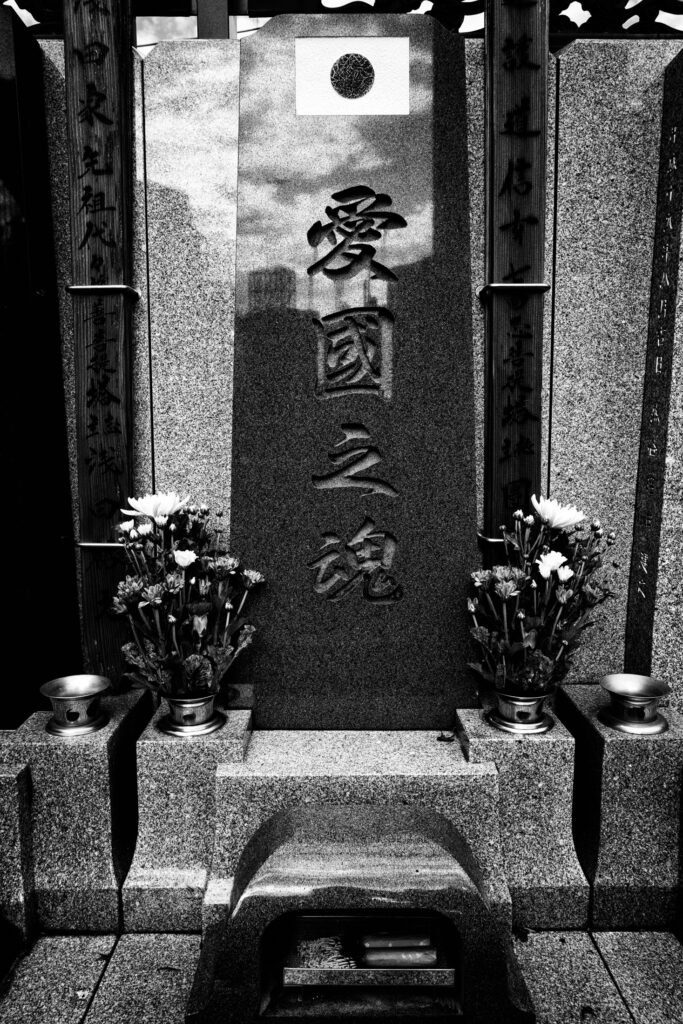
天運我に有り (The Heavens Are On My Side)
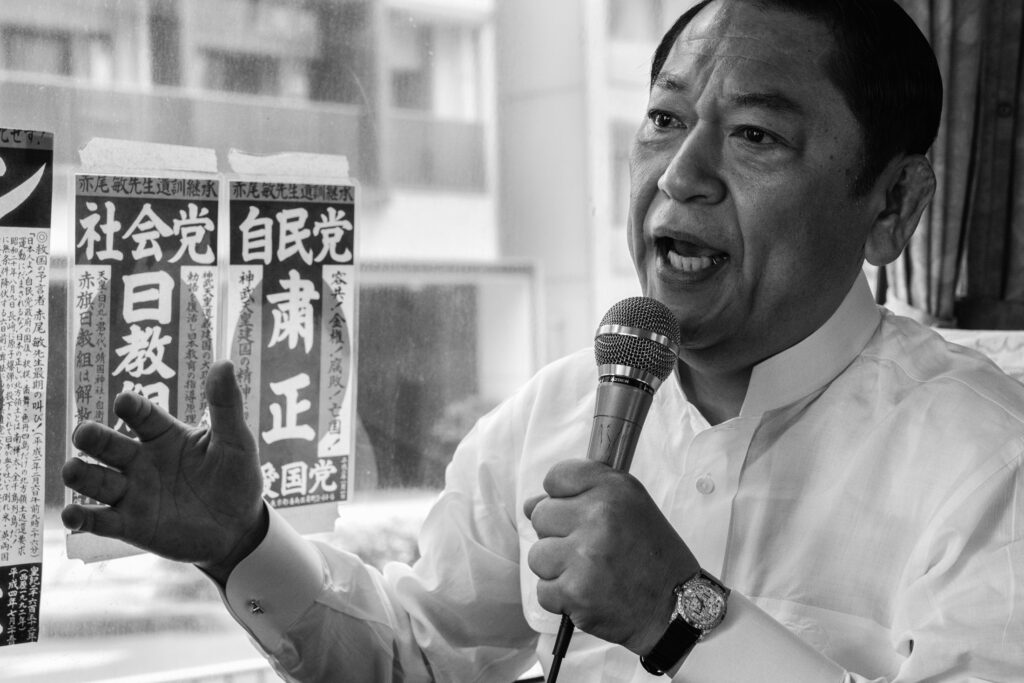
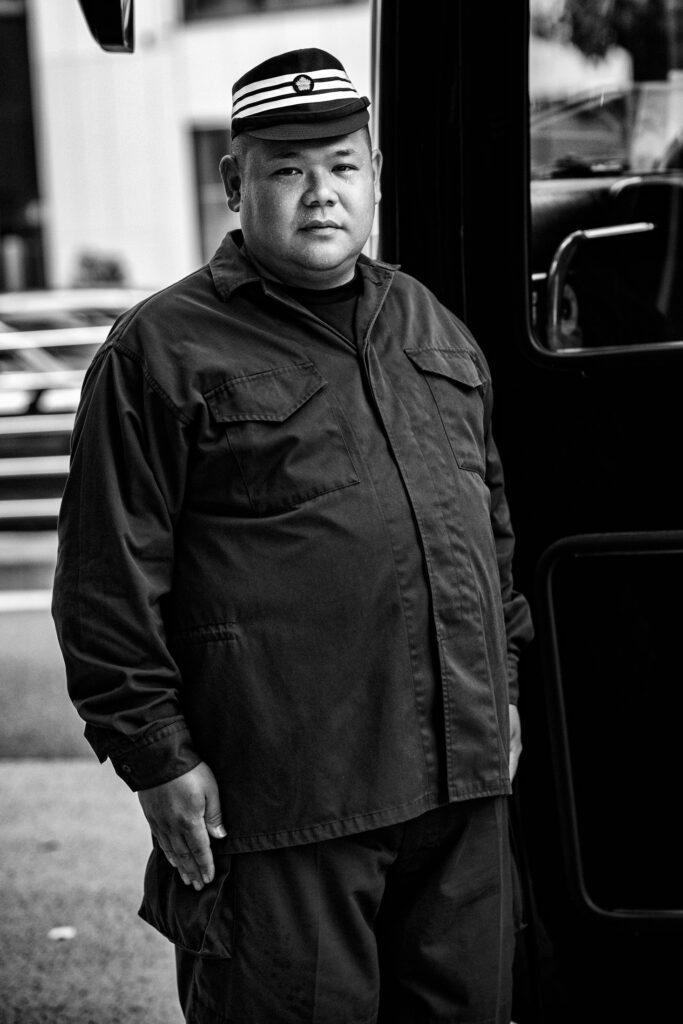
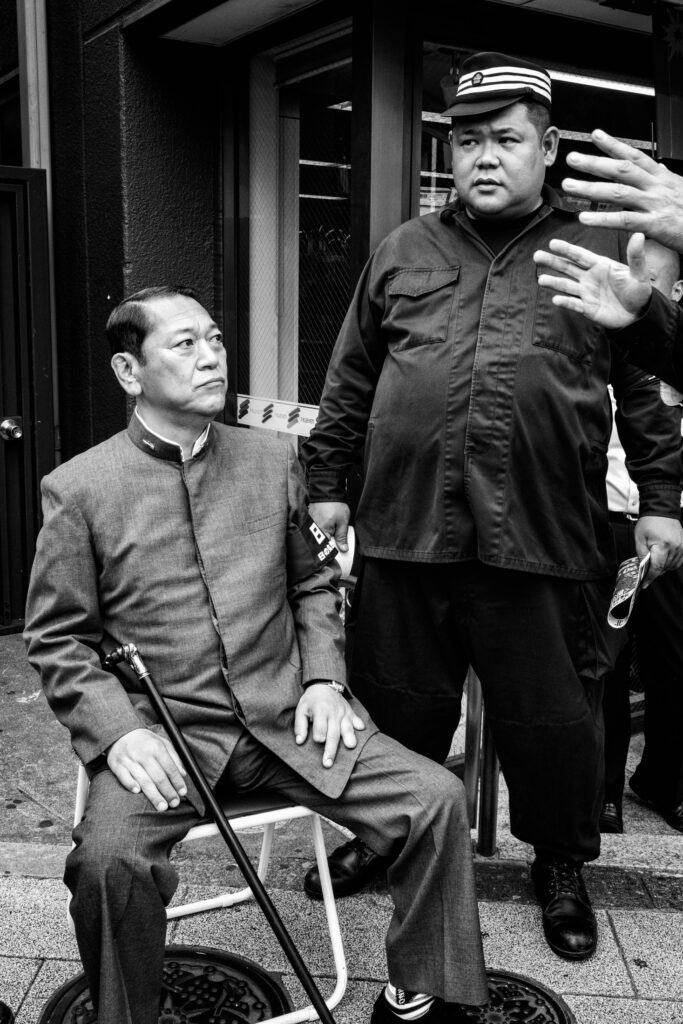
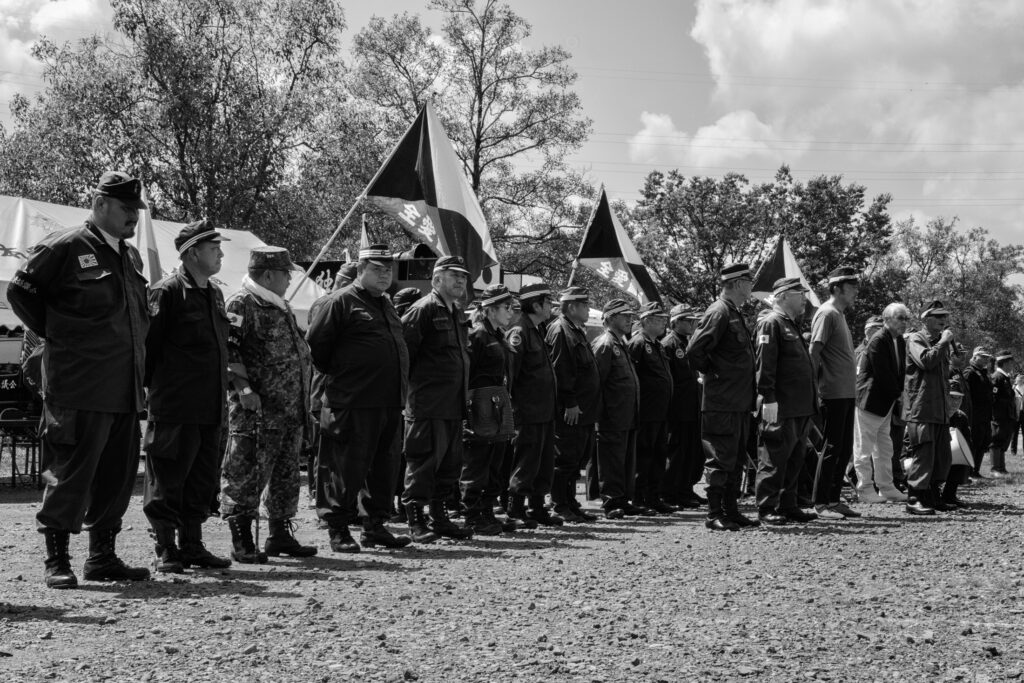
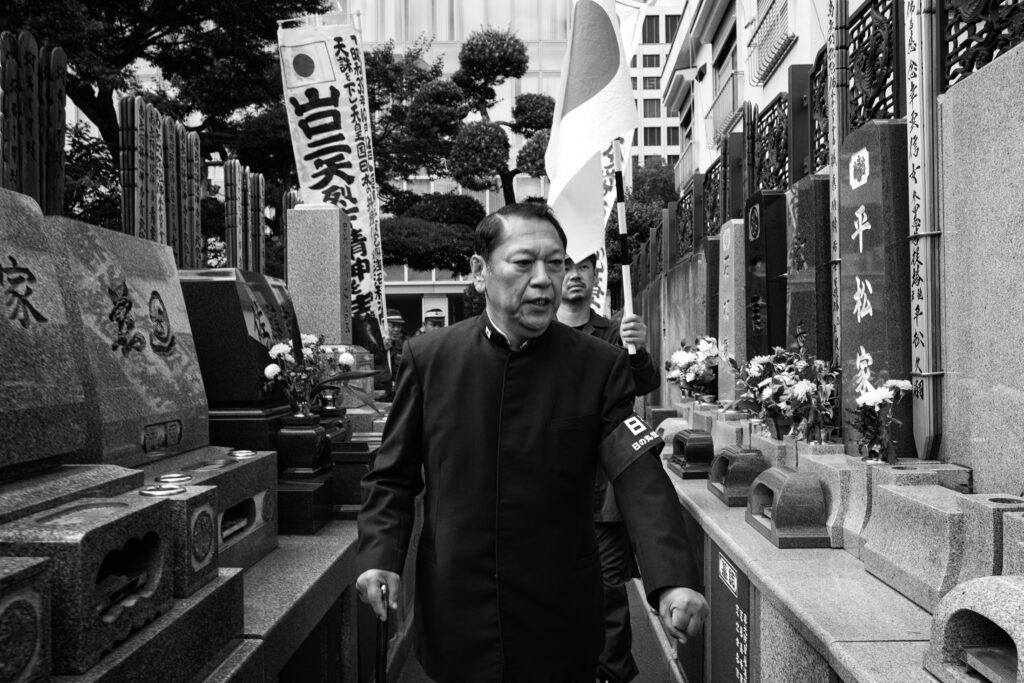
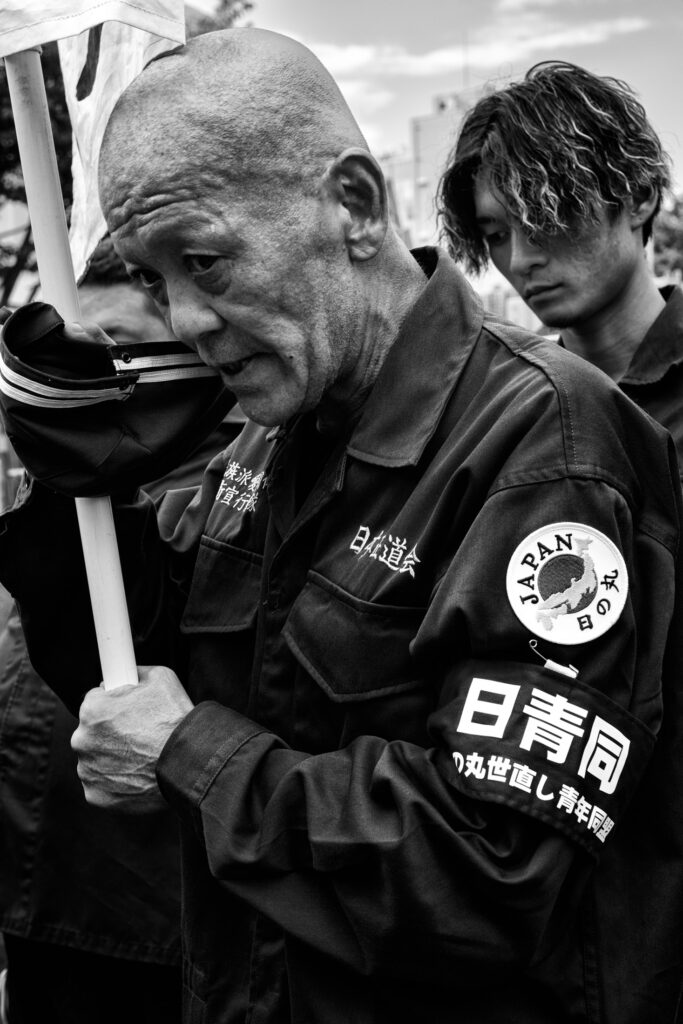
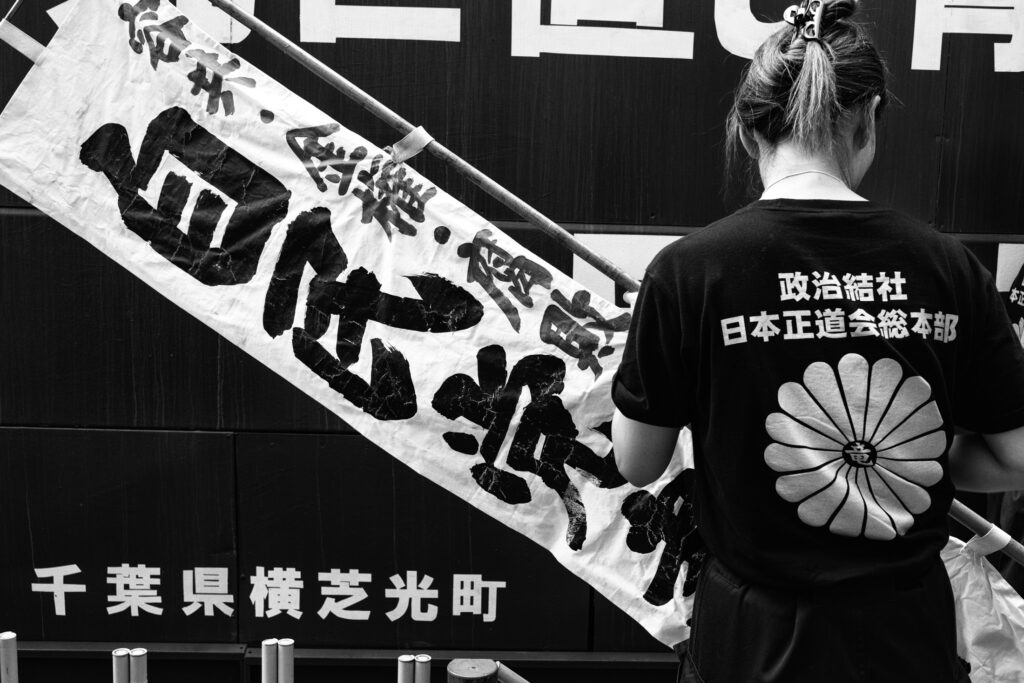
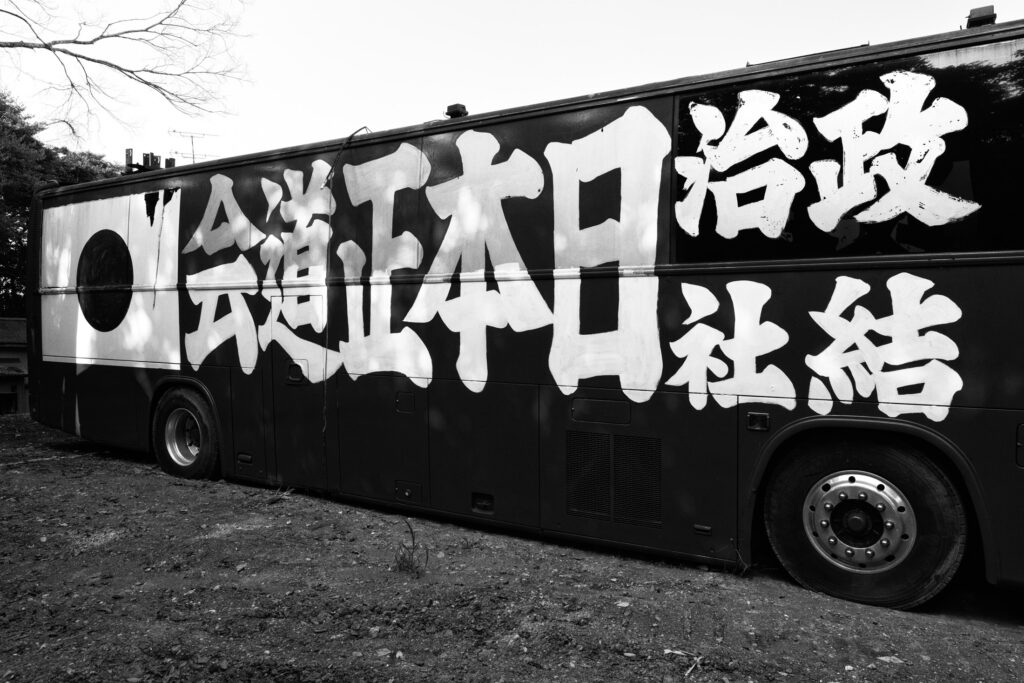
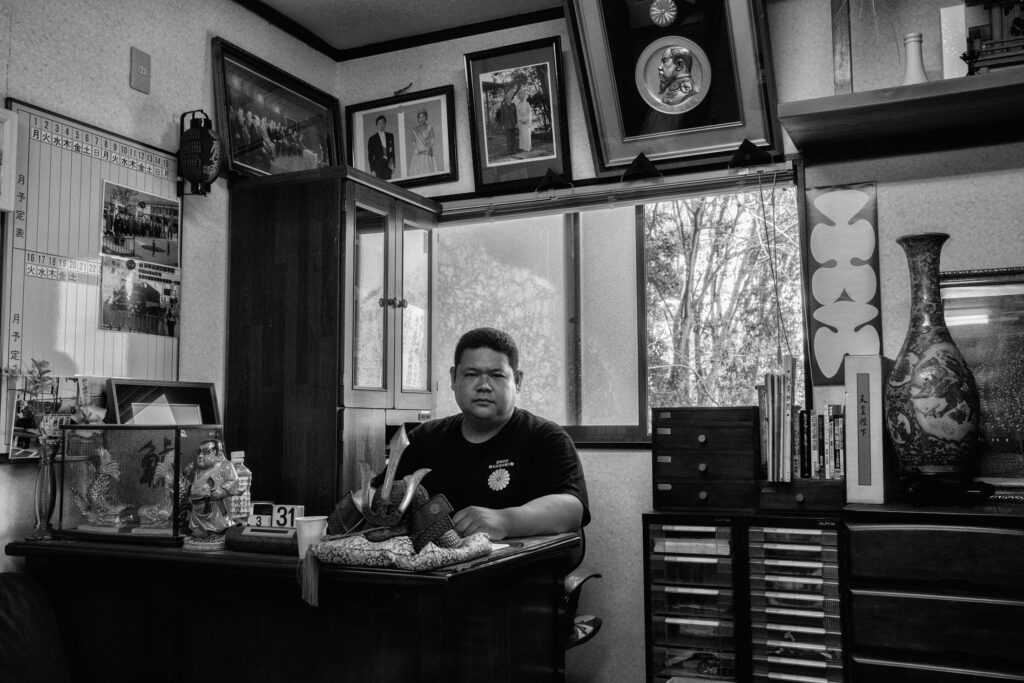
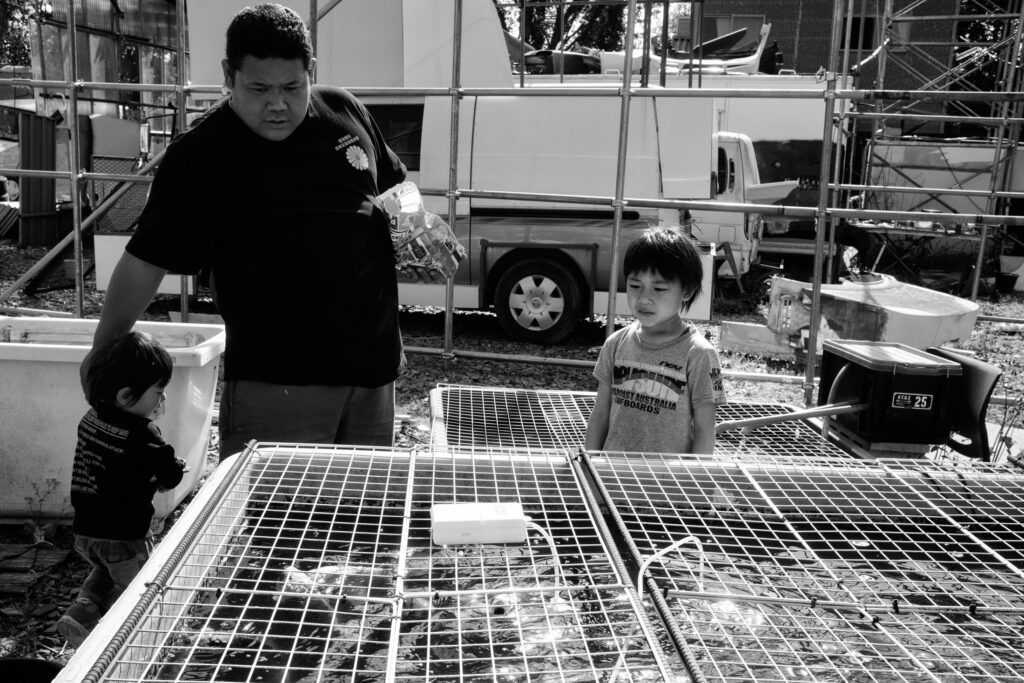
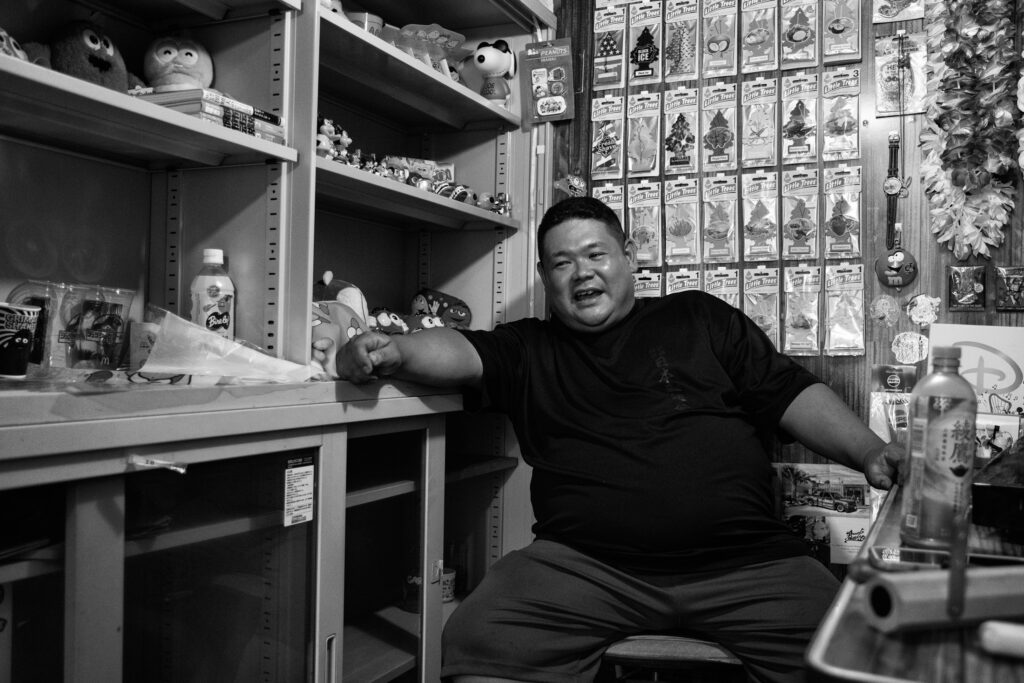
I have been following Oikawa, a right-wing activist of my own generation.
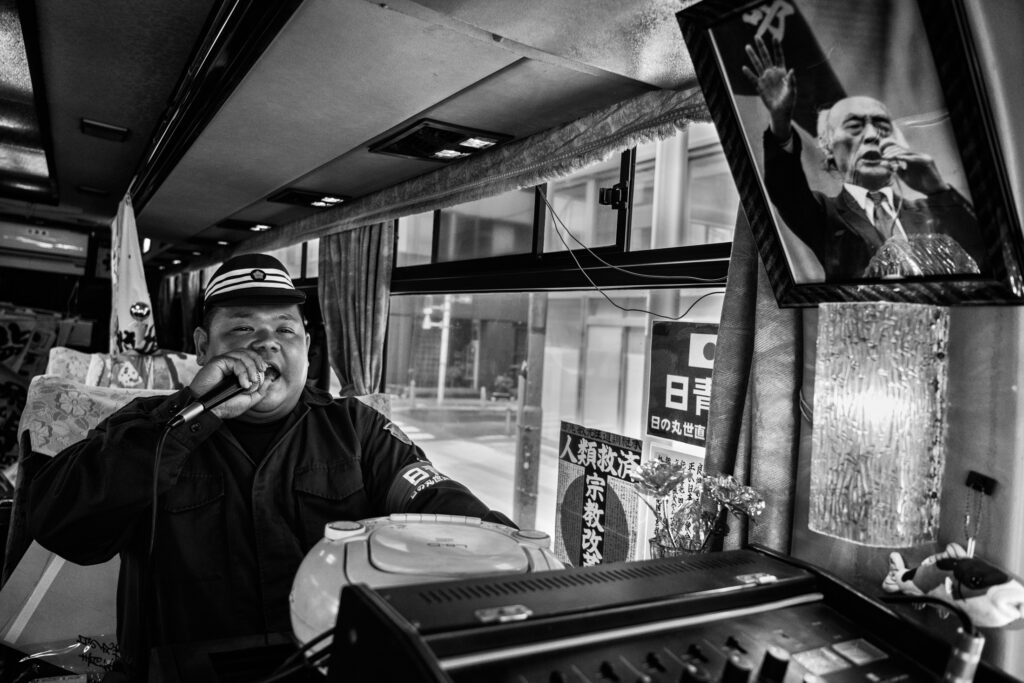
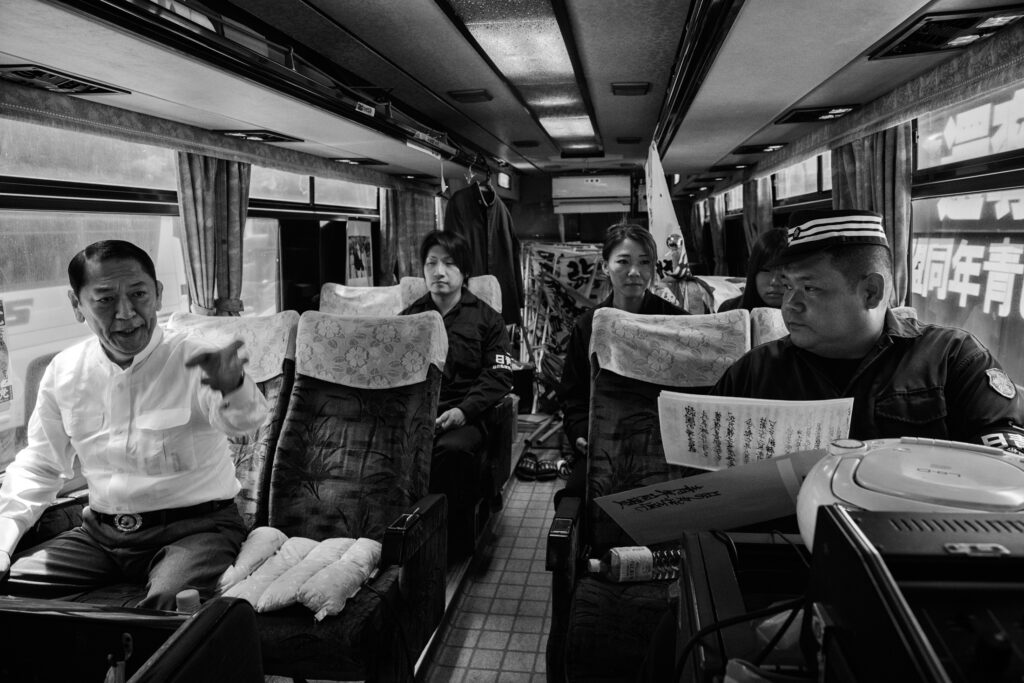
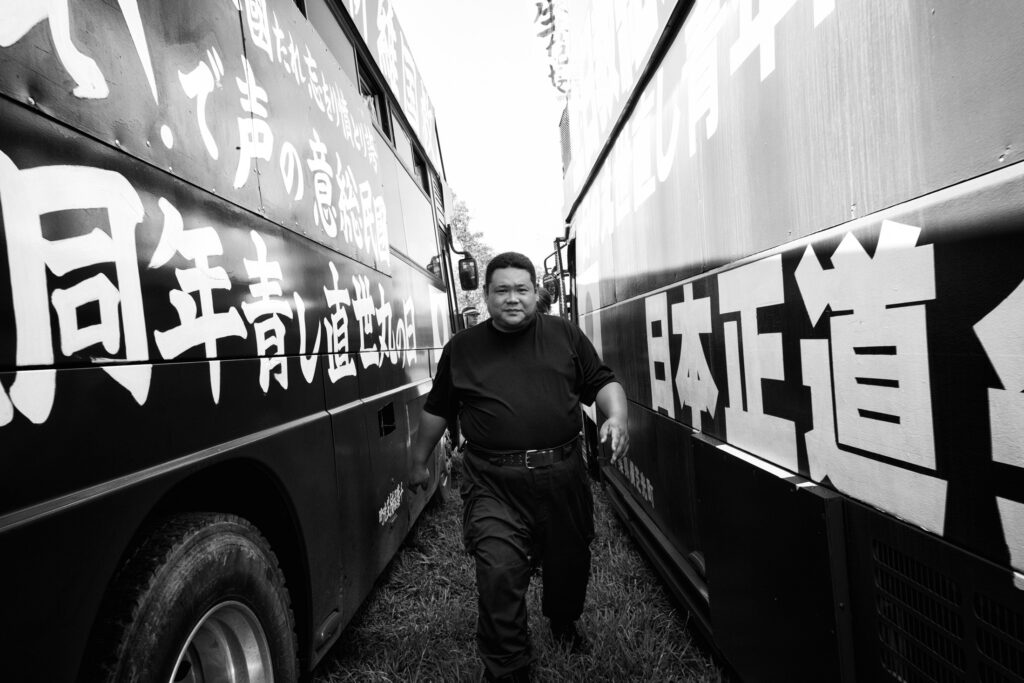
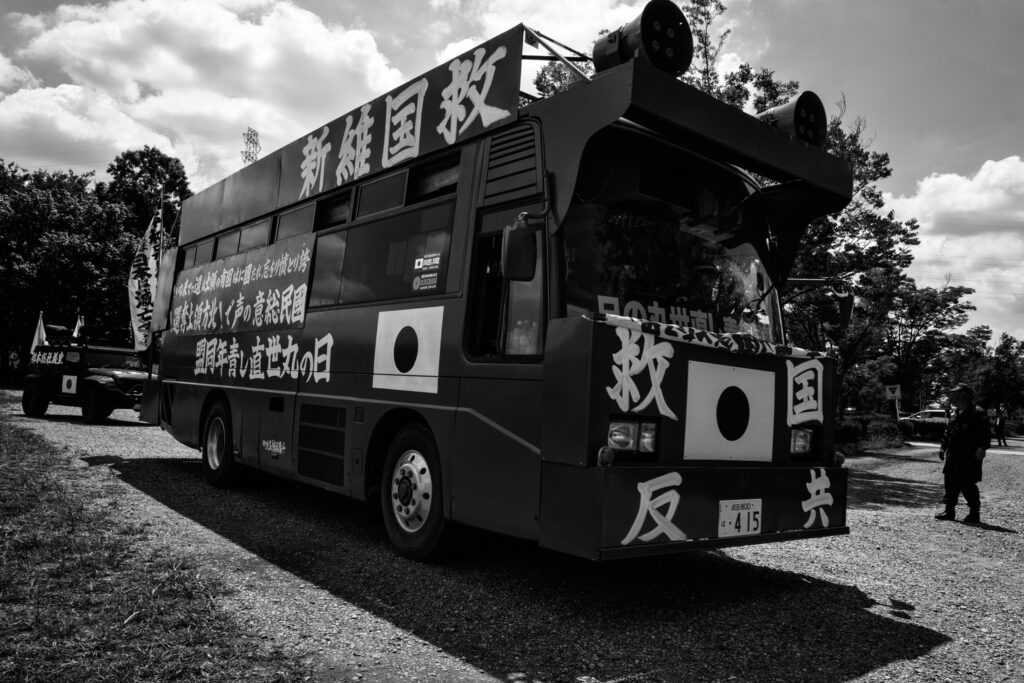
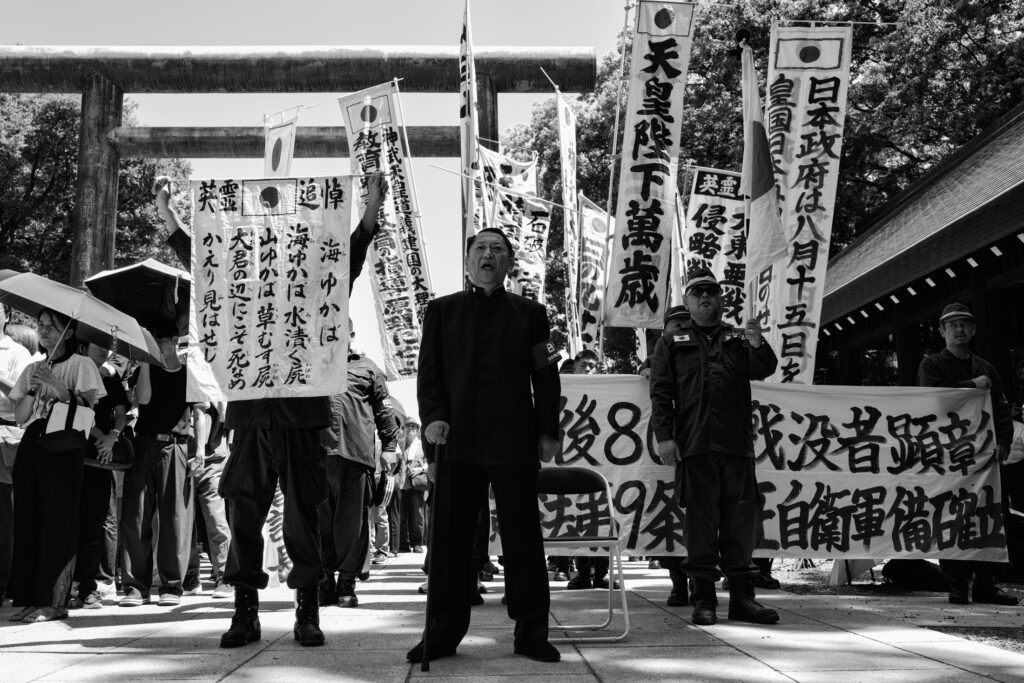
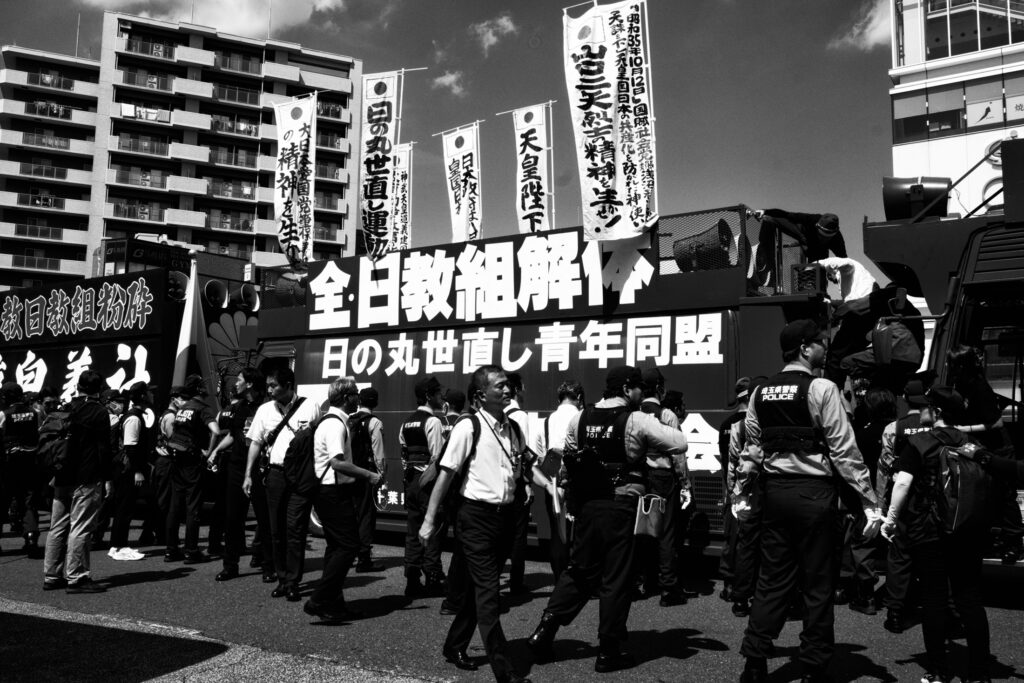
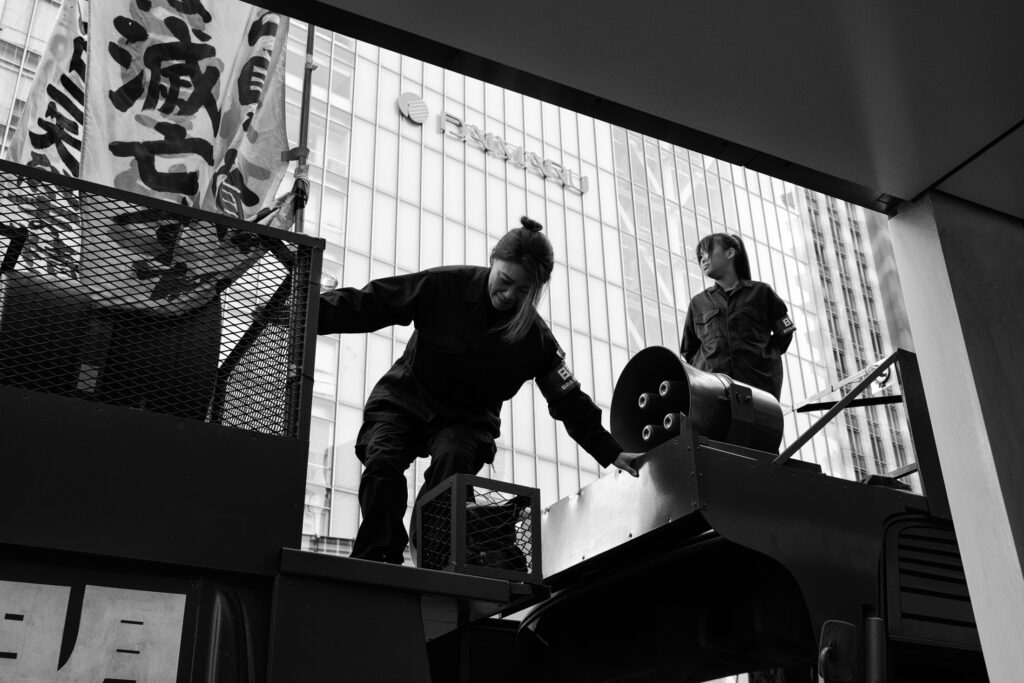
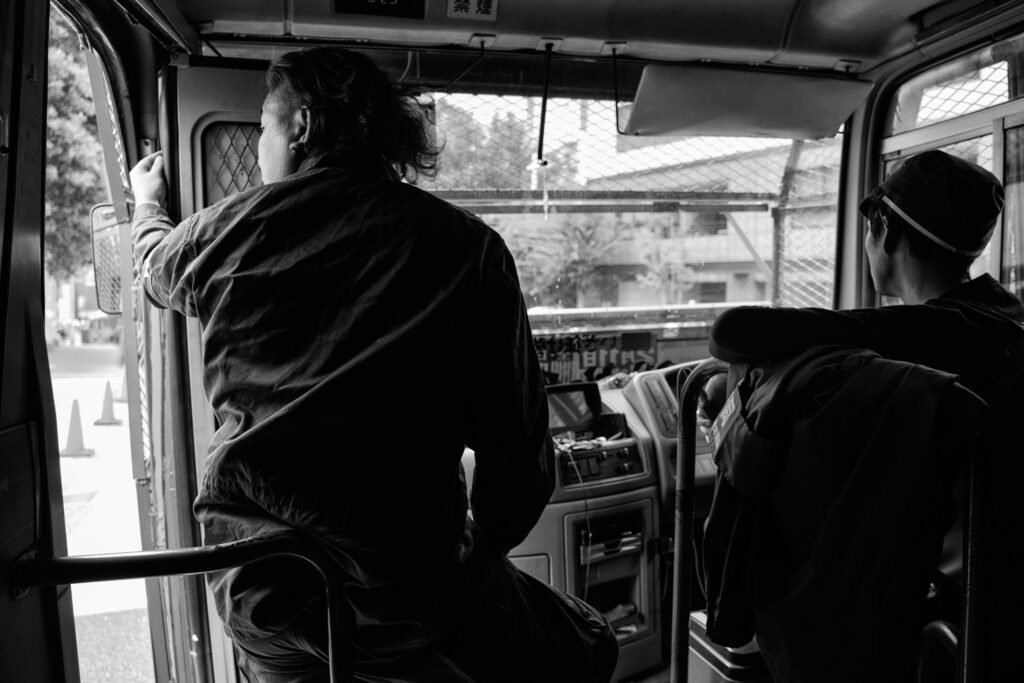
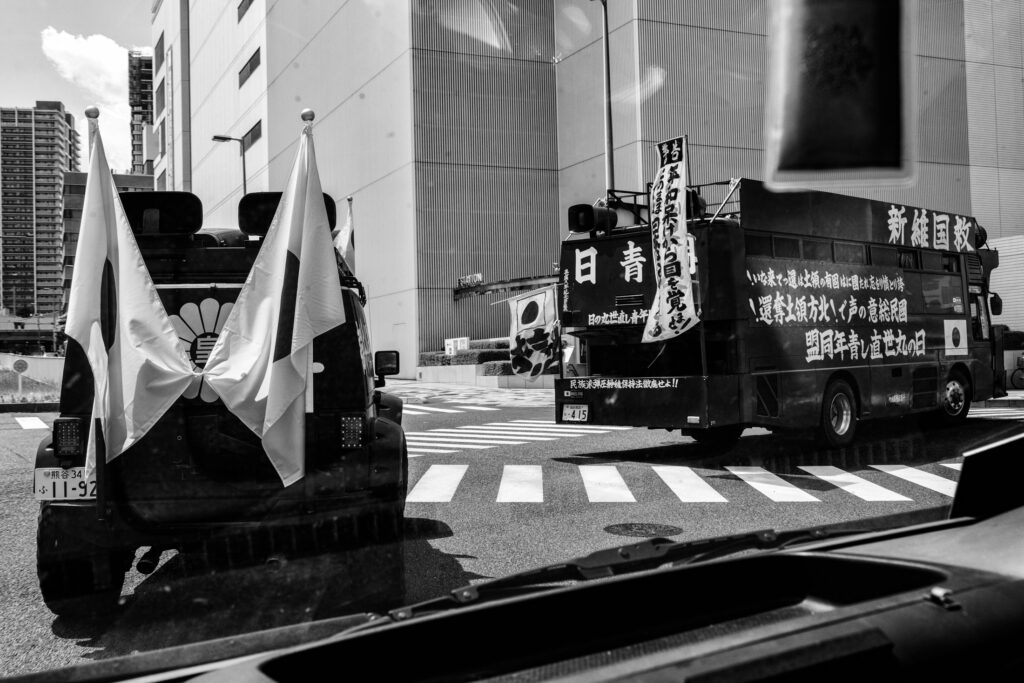
I first met him at Yasukuni Shrine in 2023, shortly after I returned to Japan. Since then, I have photographed him every year, riding alongside him in his campaign trucks and documenting his activities.
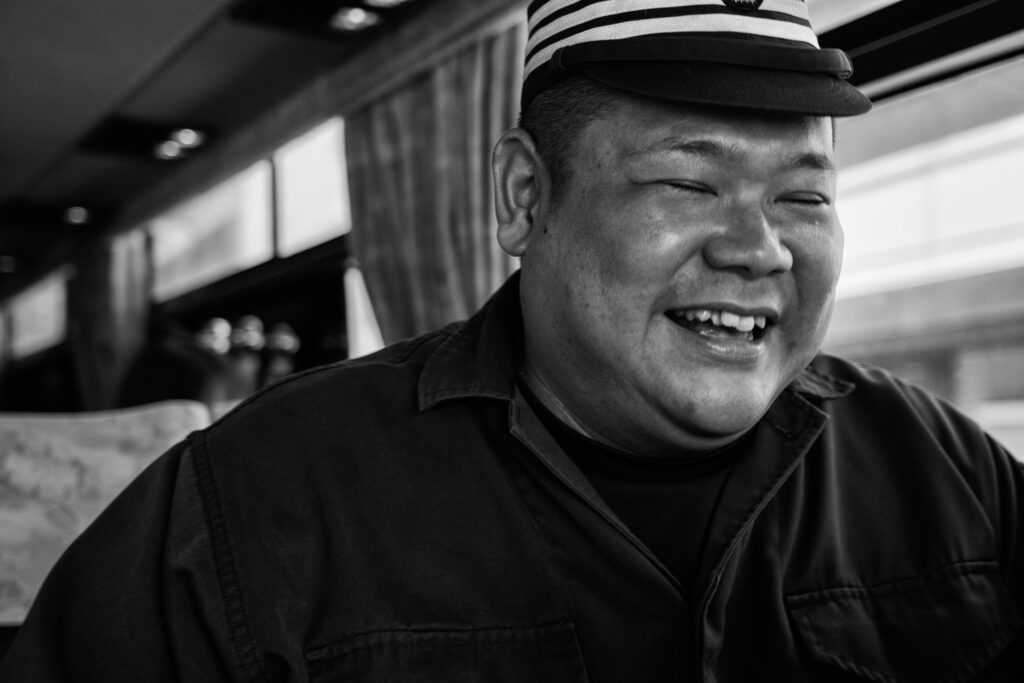
Oikawa differs from the stereotypical image of a right-wing nationalist. He is not a racist, but a man with a flexible mind who often says, “There is much we can learn from the world.” He closely follows international affairs and views reality with calm and depth.
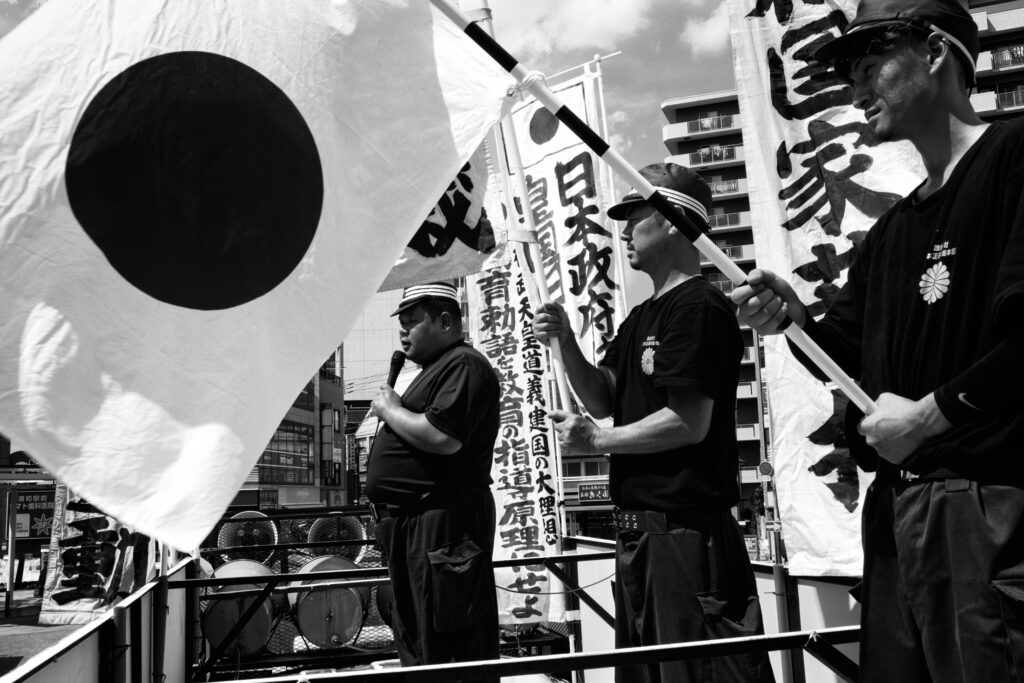
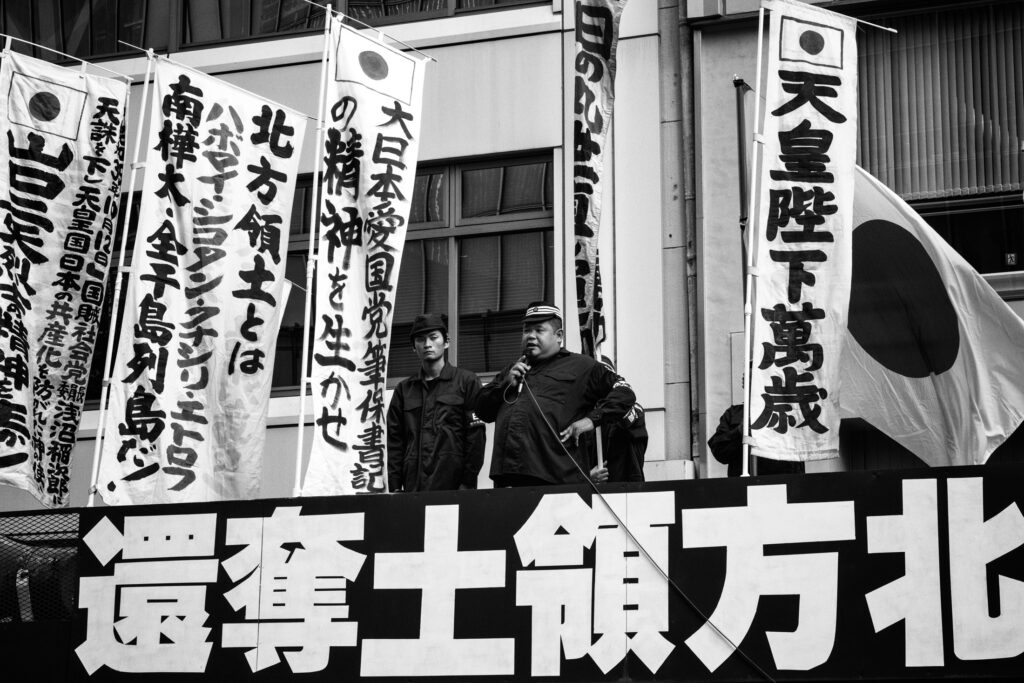
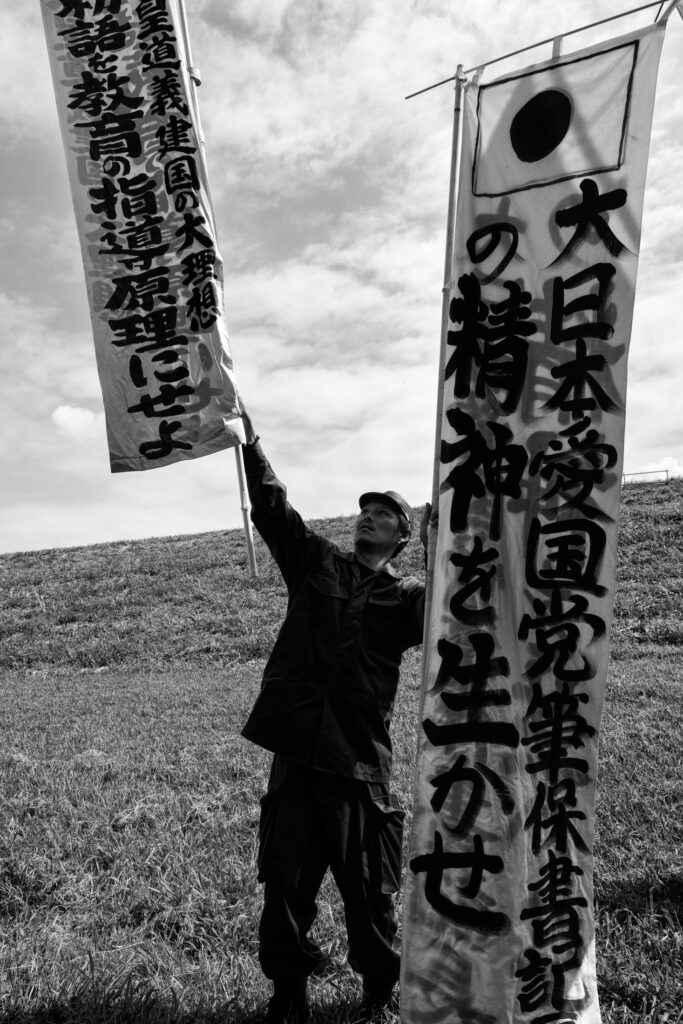
His beliefs are clear: to reform Japan’s postwar education system and, based on the Imperial Rescript on Education established by Emperor Meiji, restore the virtues and pride of being Japanese. He criticizes educators and media influenced by anti-Japanese communism, politicians who sell out the nation for personal gain, and neighboring countries that continue to violate Japan’s territorial sovereignty.
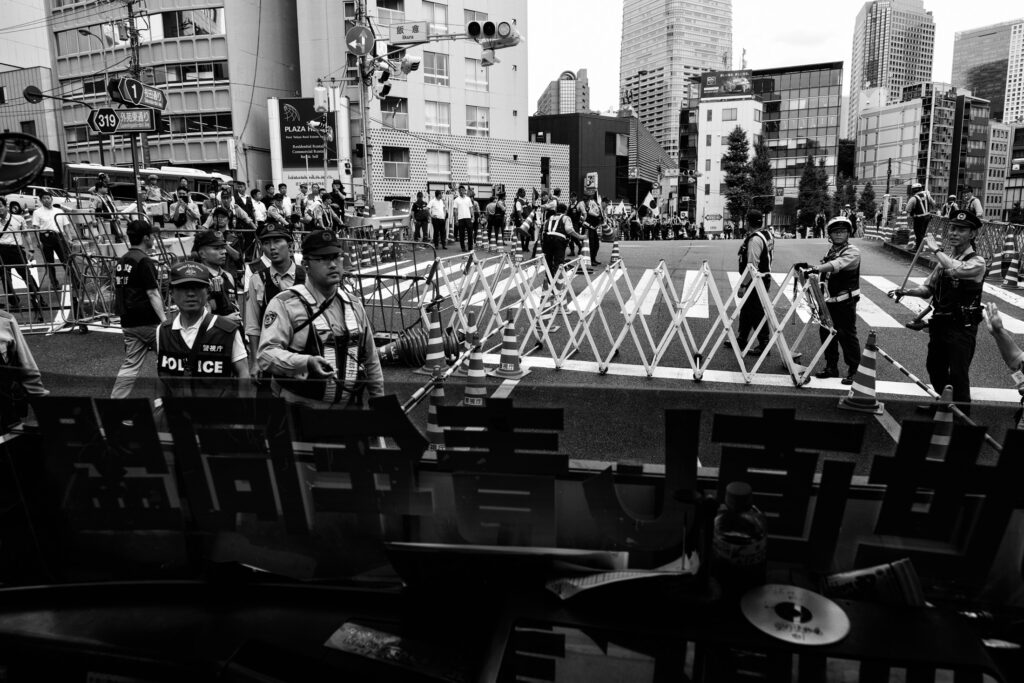
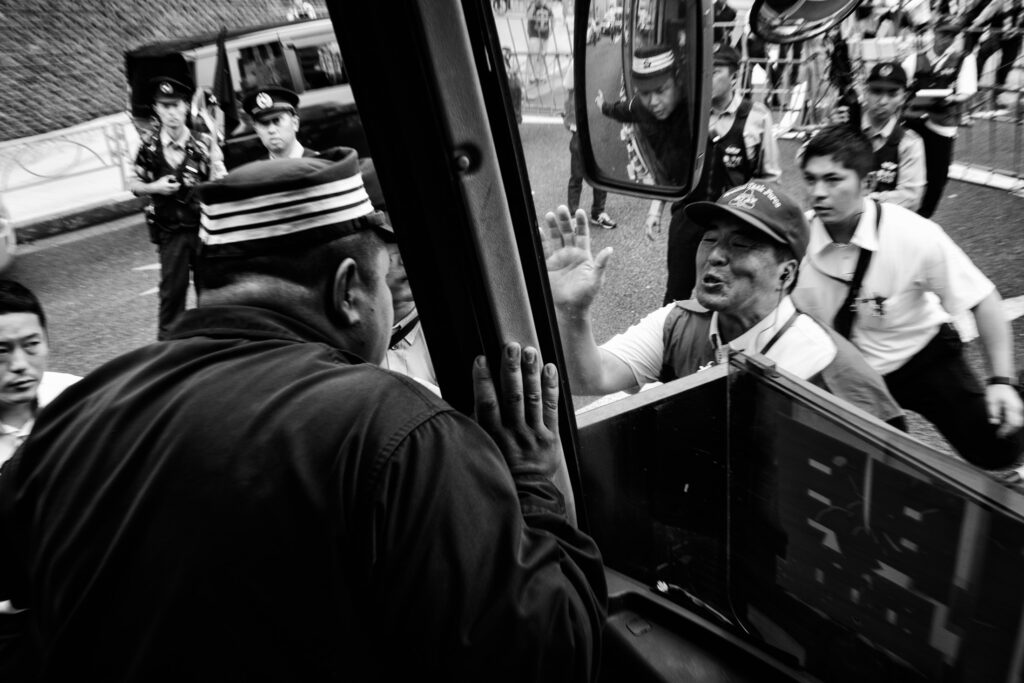
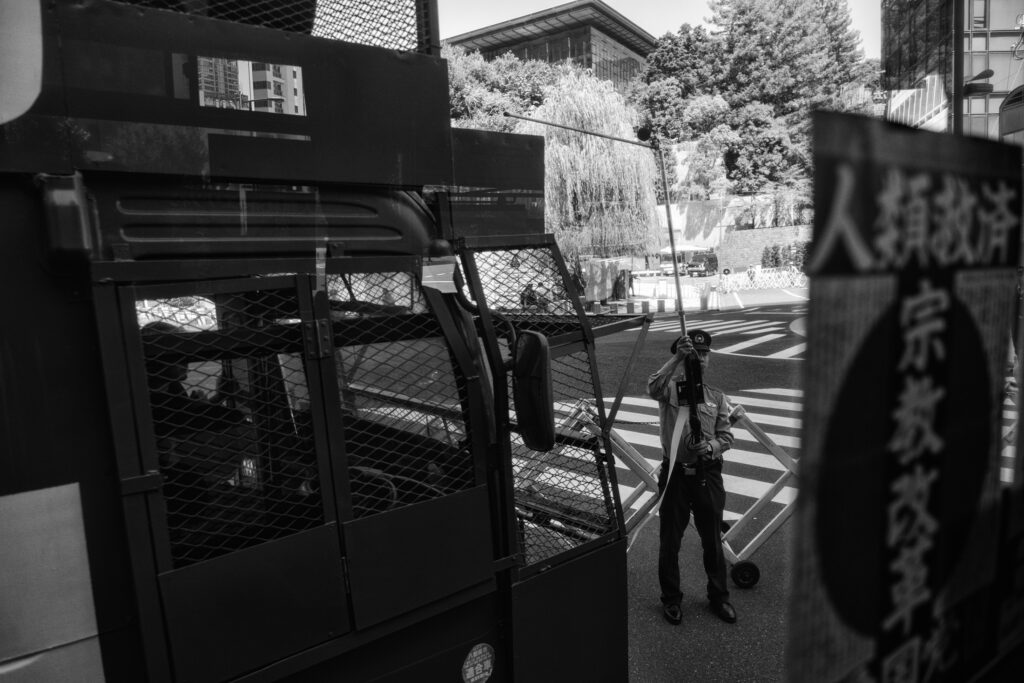
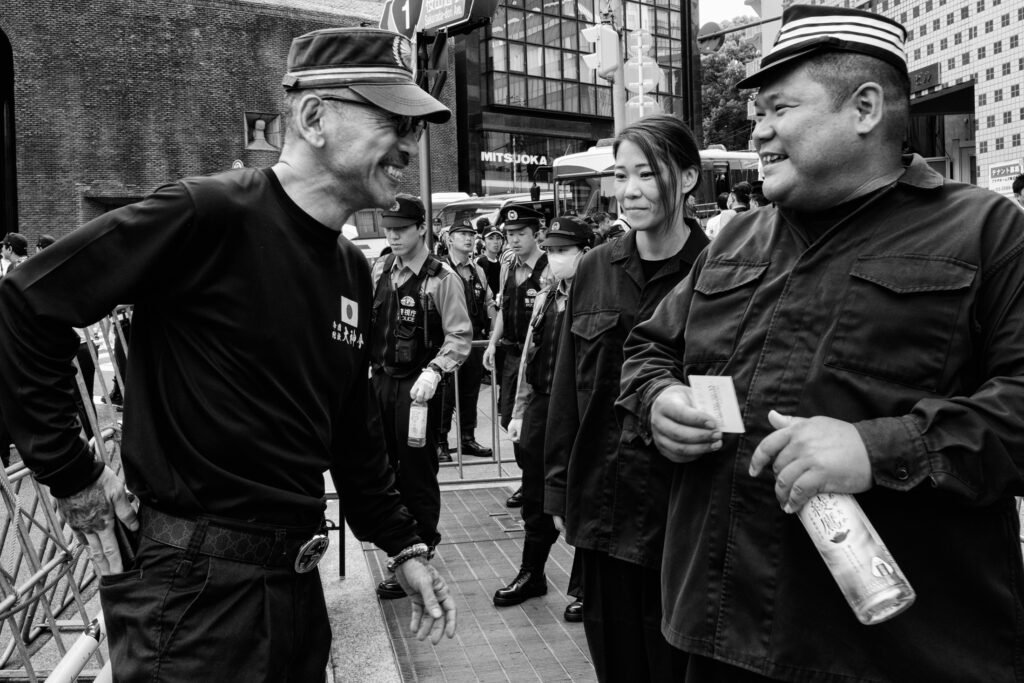
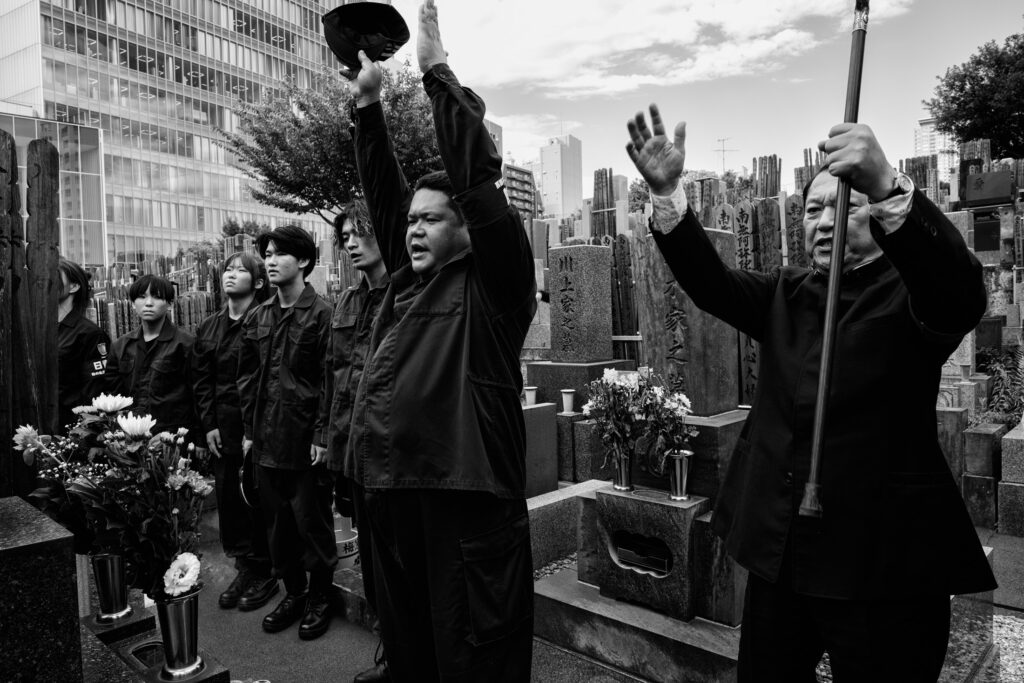
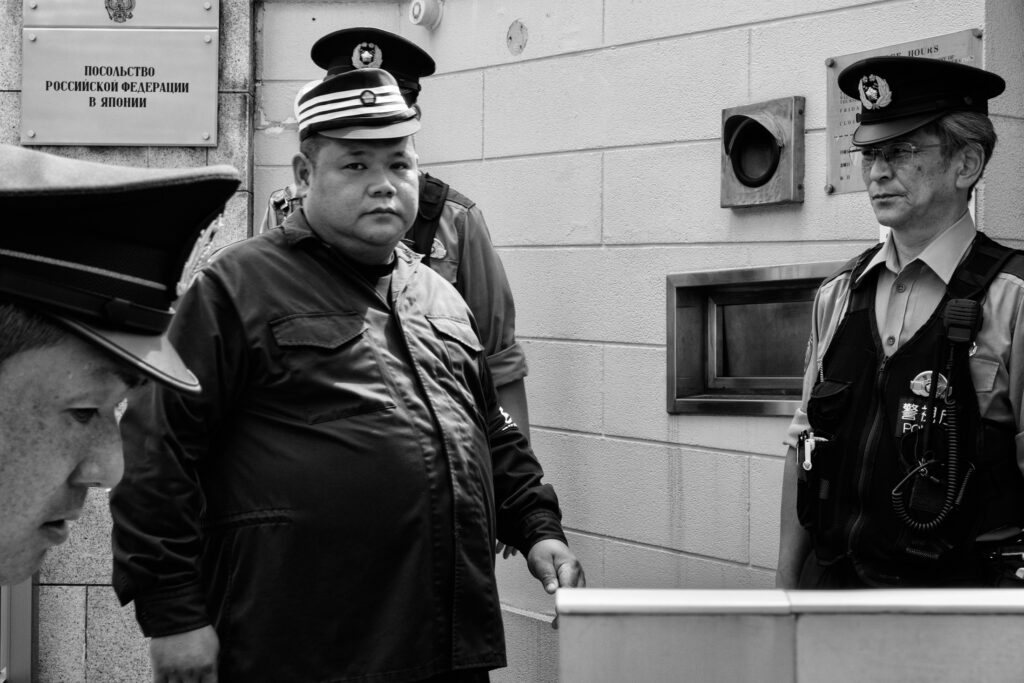
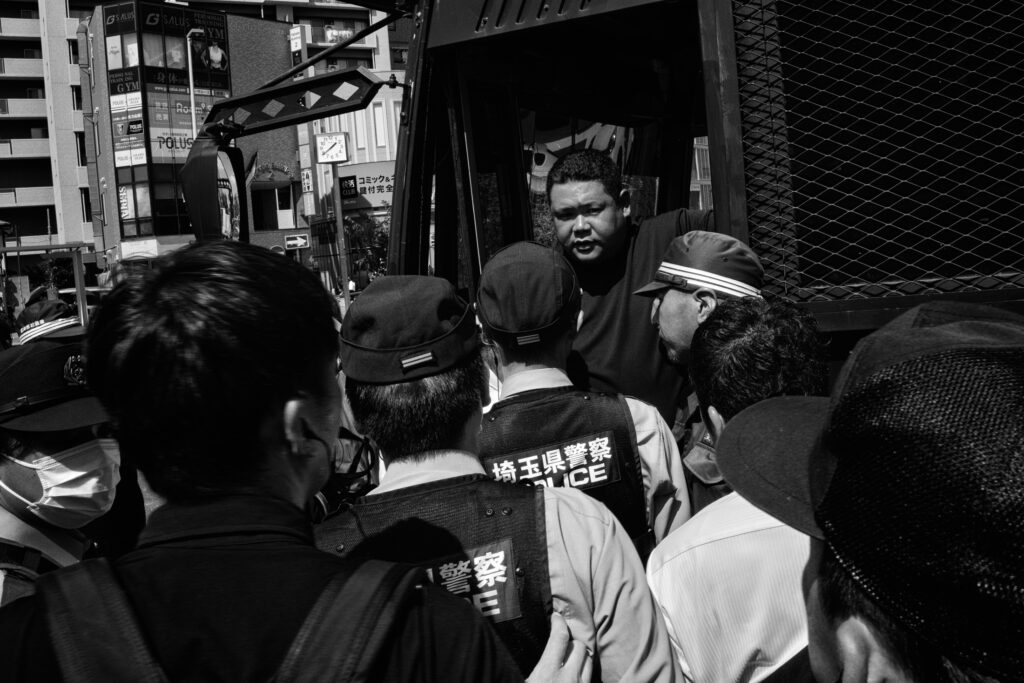
During demonstrations, he is stern and unyielding, sometimes clashing with the police. Yet in daily life, he is gentle and has a warmth that puts people at ease. His followers often say, “We are here because of Oikawa.” I, too, would never have photographed Japan’s right-wing movement if it weren’t for him.
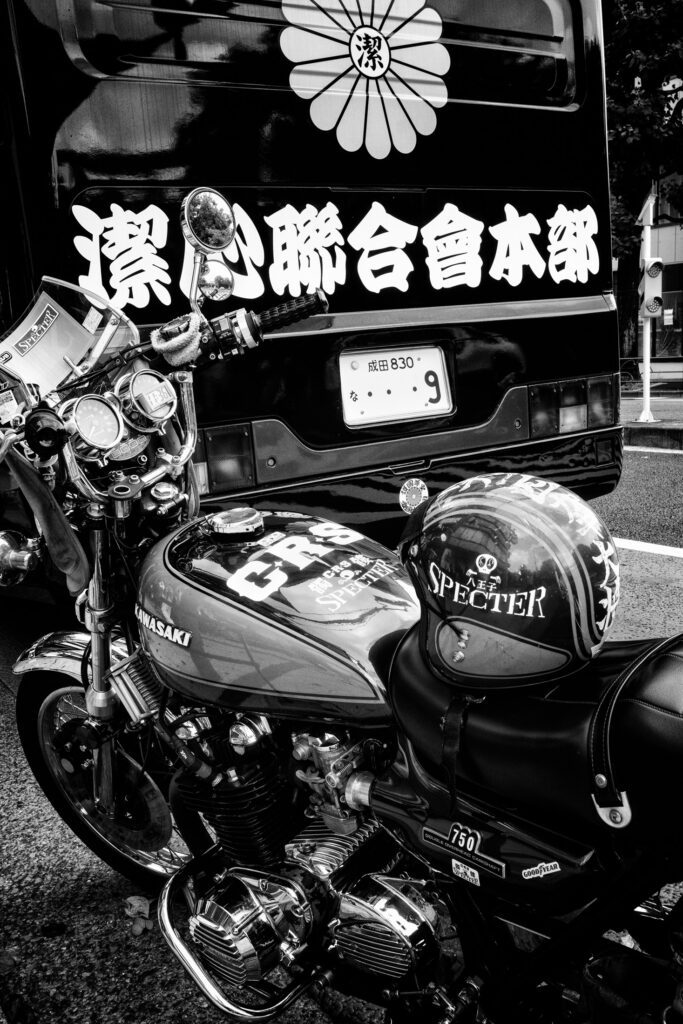
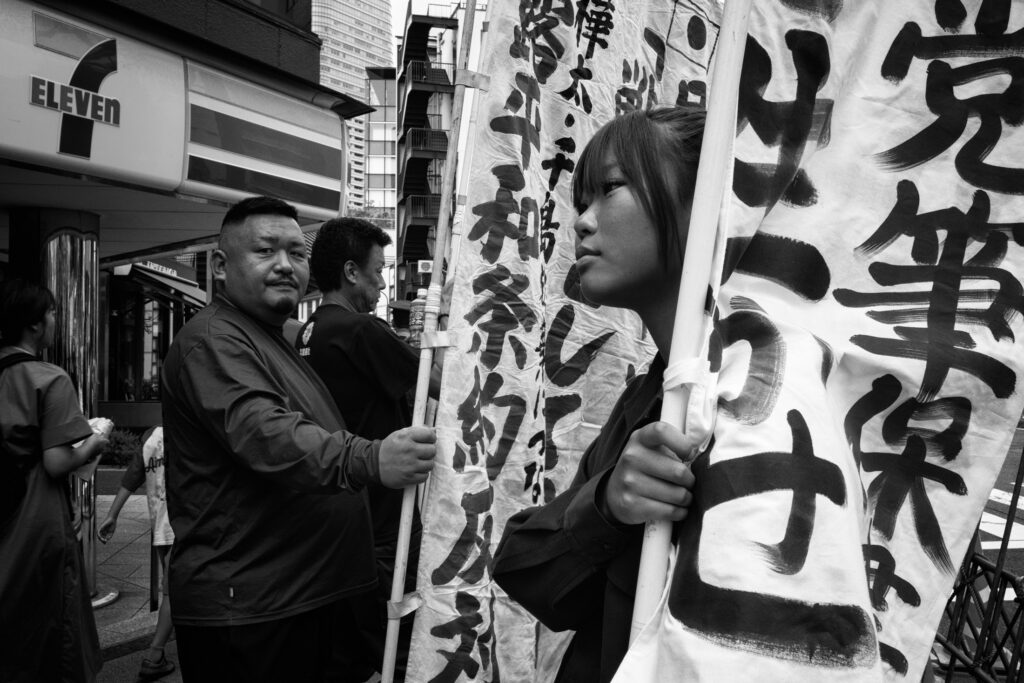
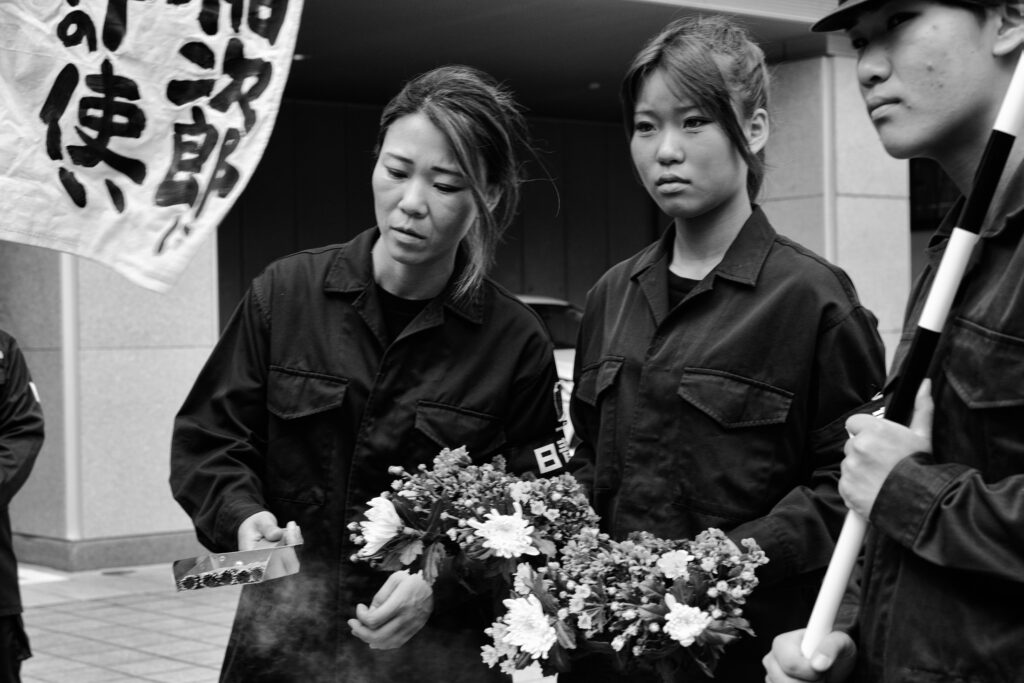
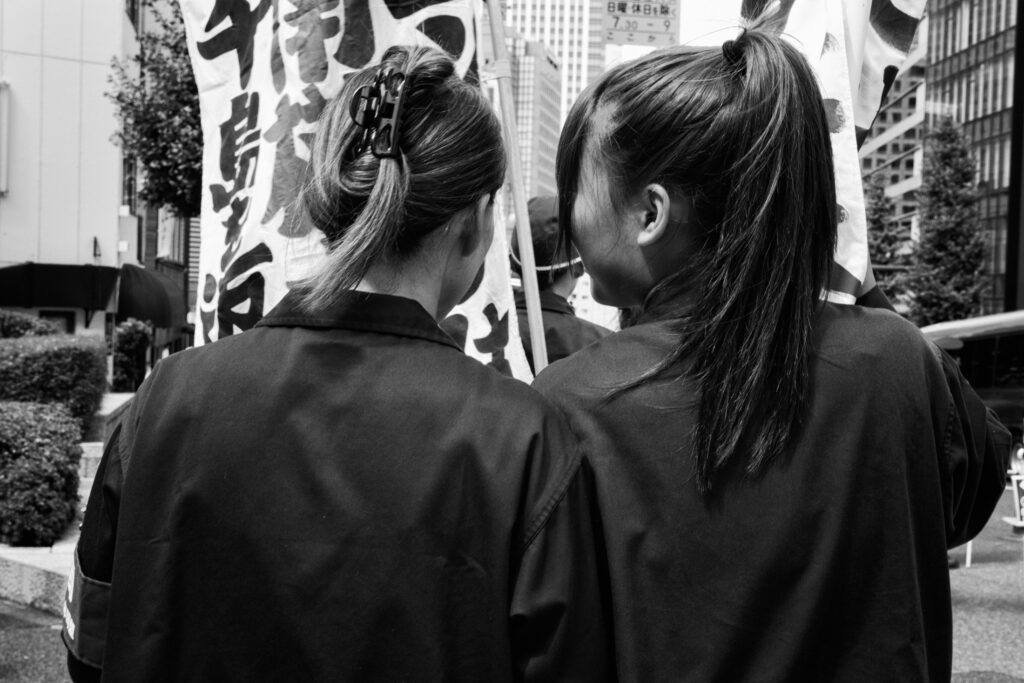
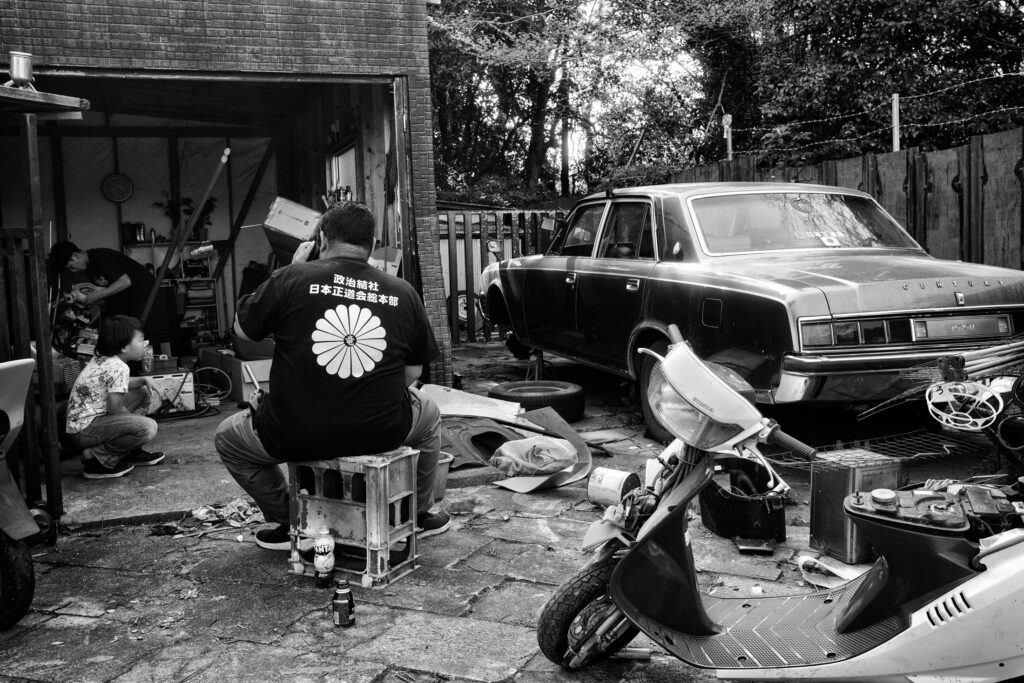
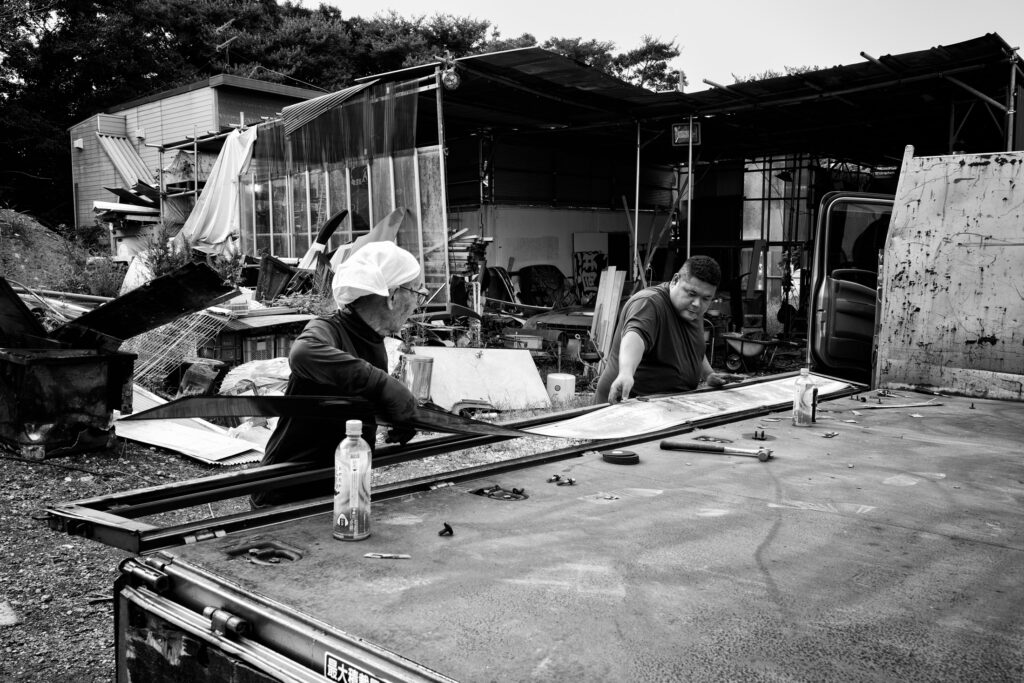
His organization stands out for its youth. Many of his members work as caregivers, nurses, or single parents, dedicating their spare time and own money to sustain their activities. In today’s Japan, with no corporate sponsorship, even maintaining a campaign truck or covering travel costs is a heavy burden. Still, they continue out of a simple desire—to make their country better.
Oikawa himself has endured hardship. In his teens, he joined Japan’s largest right-wing group, only to discover it was run by a yakuza organization. Disillusioned and later betrayed by others, he nonetheless refused to abandon his convictions and eventually founded his own group.
He doesn’t drink, smoke, or gamble. He is honest and disciplined—a man whose shoulders bear the lives and hopes of many.
I intend to continue documenting him over the long term.
Through his story, I seek to explore where the ideas of “pride” and “belief” lie in postwar Japan—and what they mean for those still searching for them.