ไก่ชน ( Cockfighting )
During my time in Thailand, my exploration of underground fighting drew me deeper into the nature of combat itself. One day, I visited a cockfighting stadium on the outskirts of Bangkok, and that encounter opened a new world before my eyes—a world of birds that live to fight.
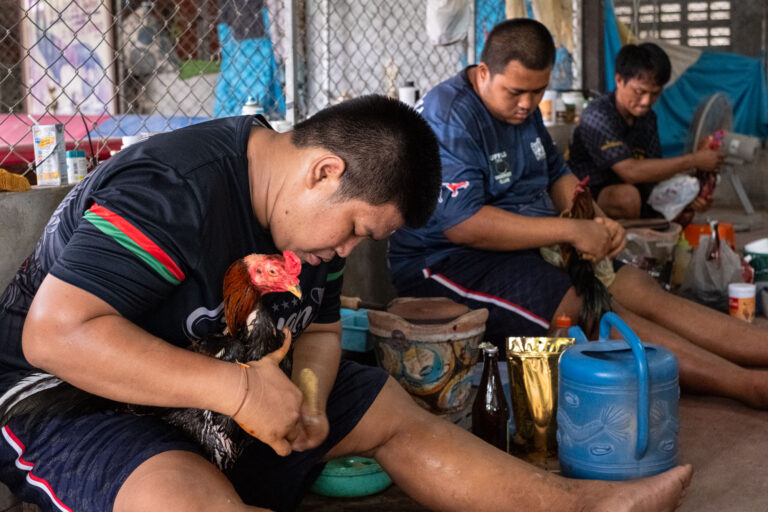
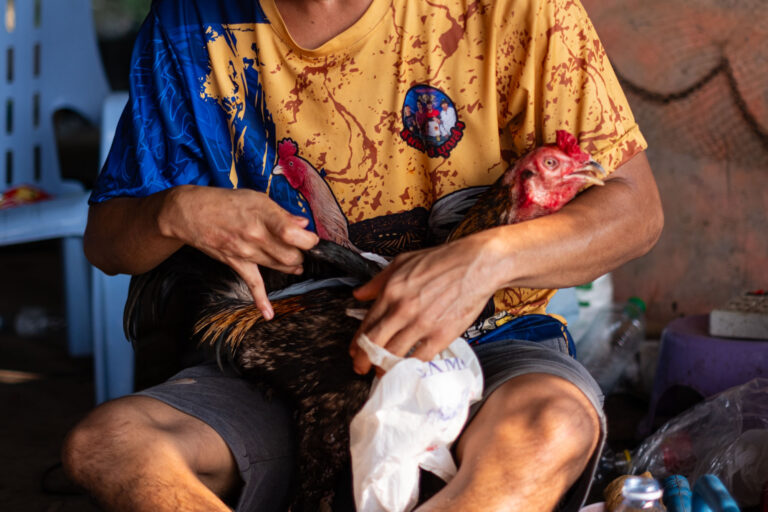
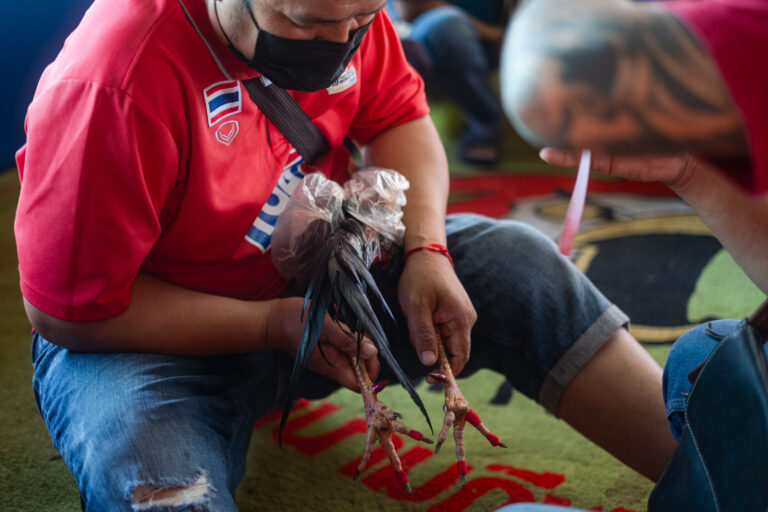
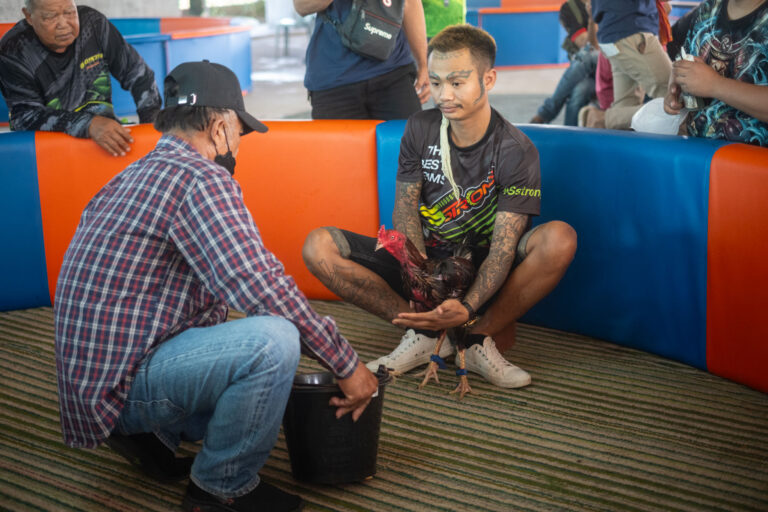
Before each match, trainers wet the birds’ bodies to awaken them. For those unable to clear their throats, they gently insert feathers into their mouths to help them spit up phlegm. The ritual reminded me of Muay Thai coaches preparing fighters before entering the ring—centering the mind, summoning the body’s fire.
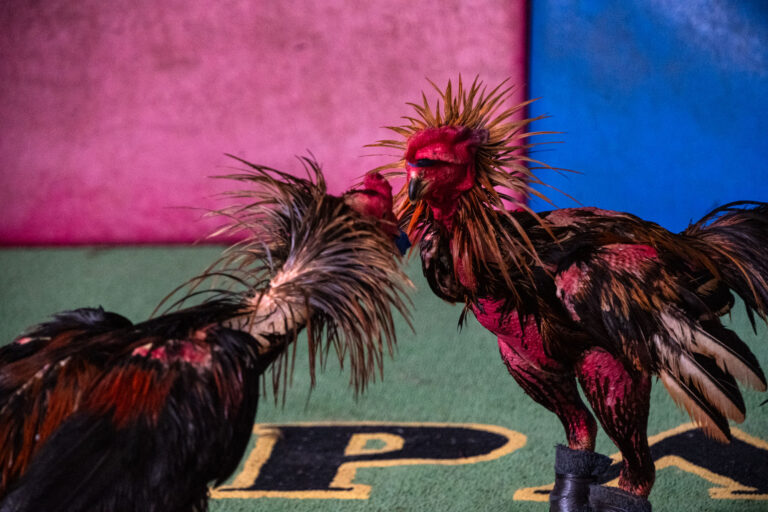
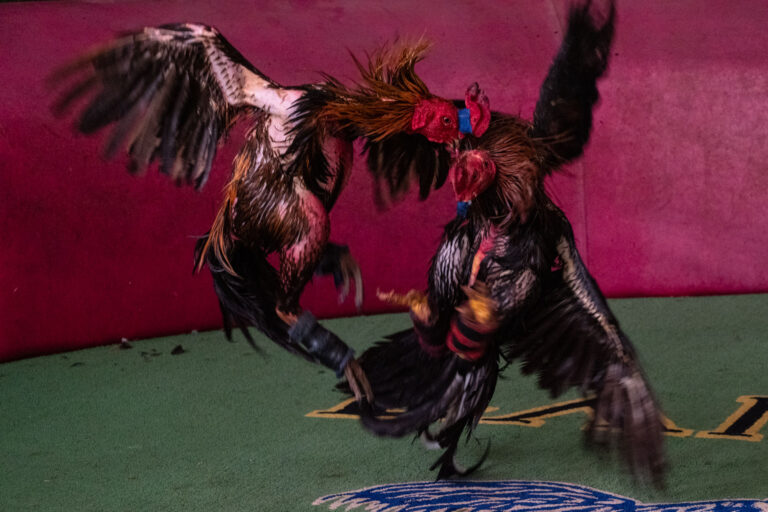
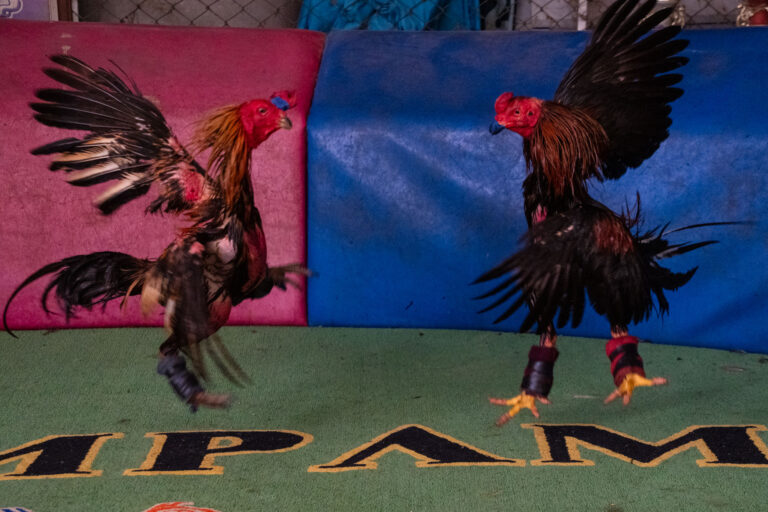
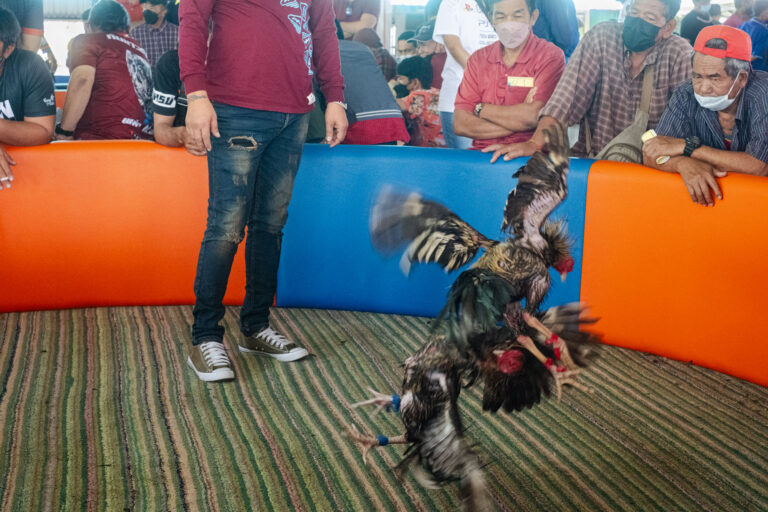
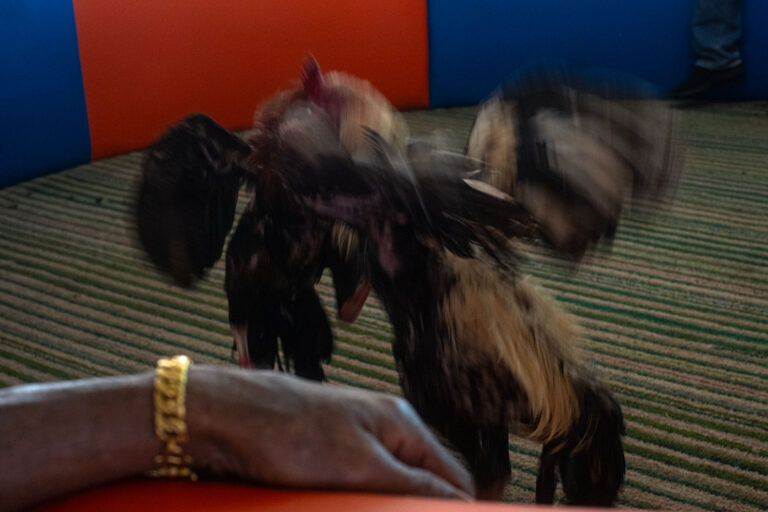
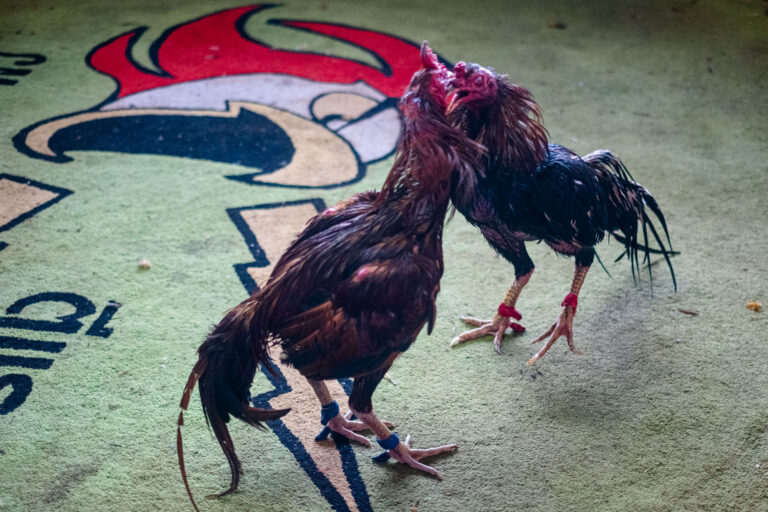
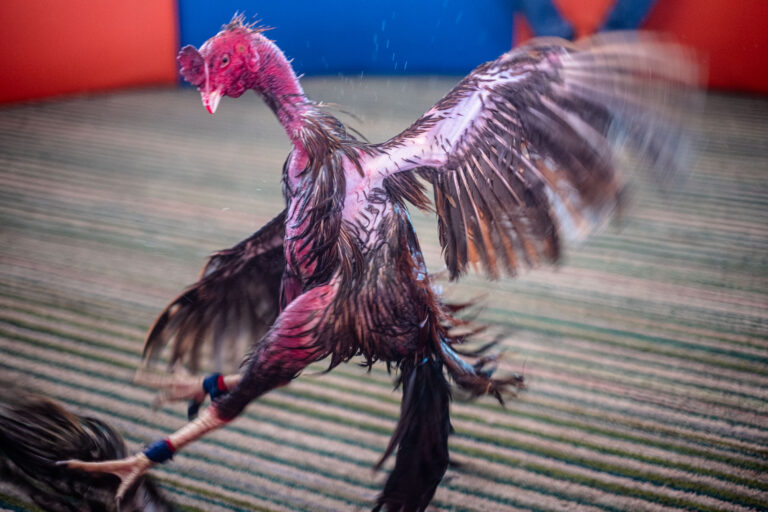
Inside the stadium, the atmosphere was electric. Bets ranged from small wagers to prizes exceeding sixty thousand dollars. Cockfighting is, in many ways, the “Muay Thai of birds.” They grapple with their necks like clinching fighters, their beak strikes recall sharp elbows, and their fluttering kicks carry a rhythm that only those who love fighting can truly appreciate.
The practice has deep roots in Thai history. During the Ayutthaya Kingdom (14th–18th centuries), it was a royal pastime, and King Naresuan himself was known to be an avid participant. In a nation of warriors, cockfighting became a symbol of courage, pride, and fighting spirit.
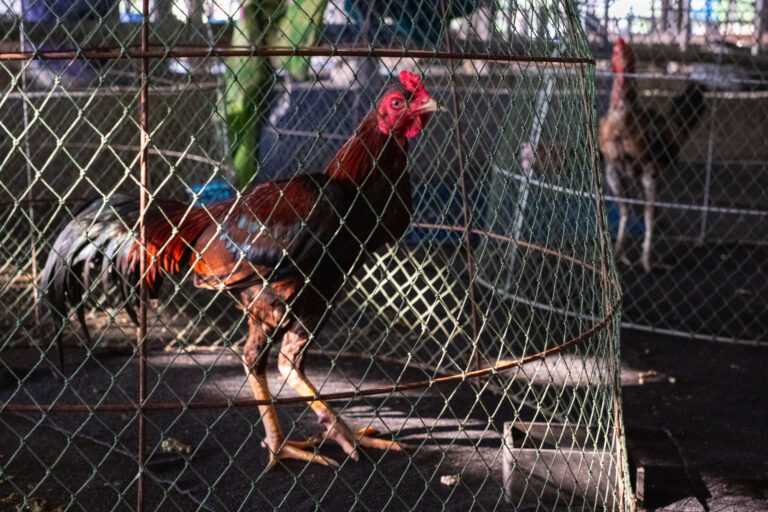
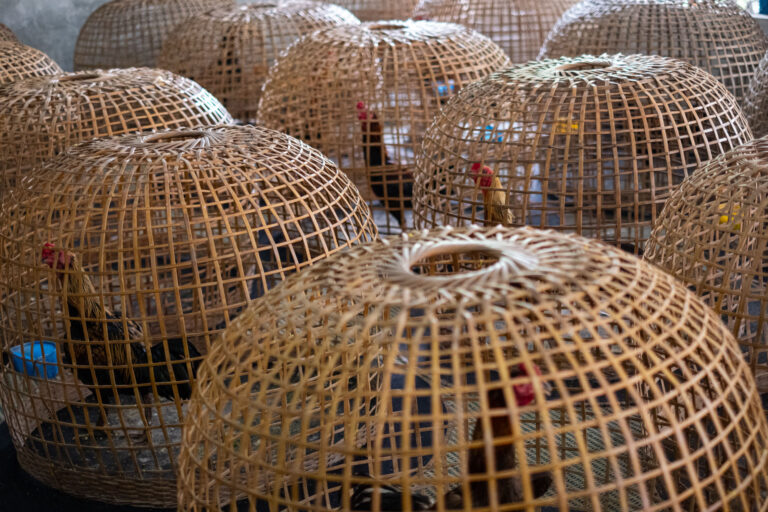
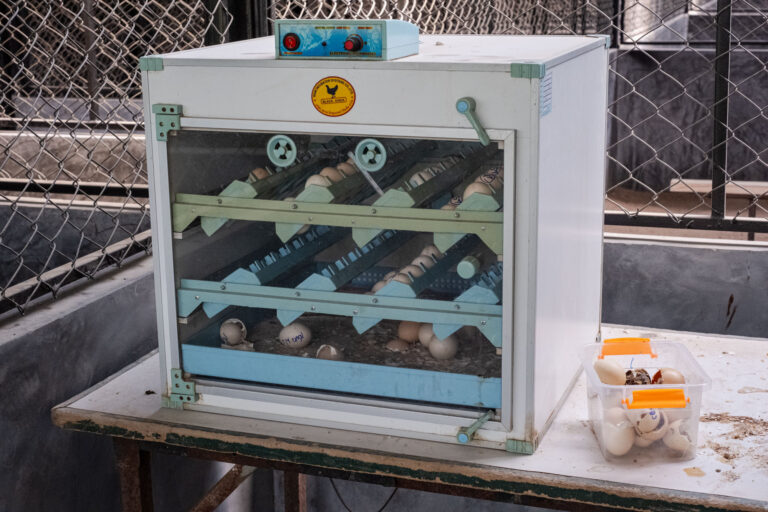
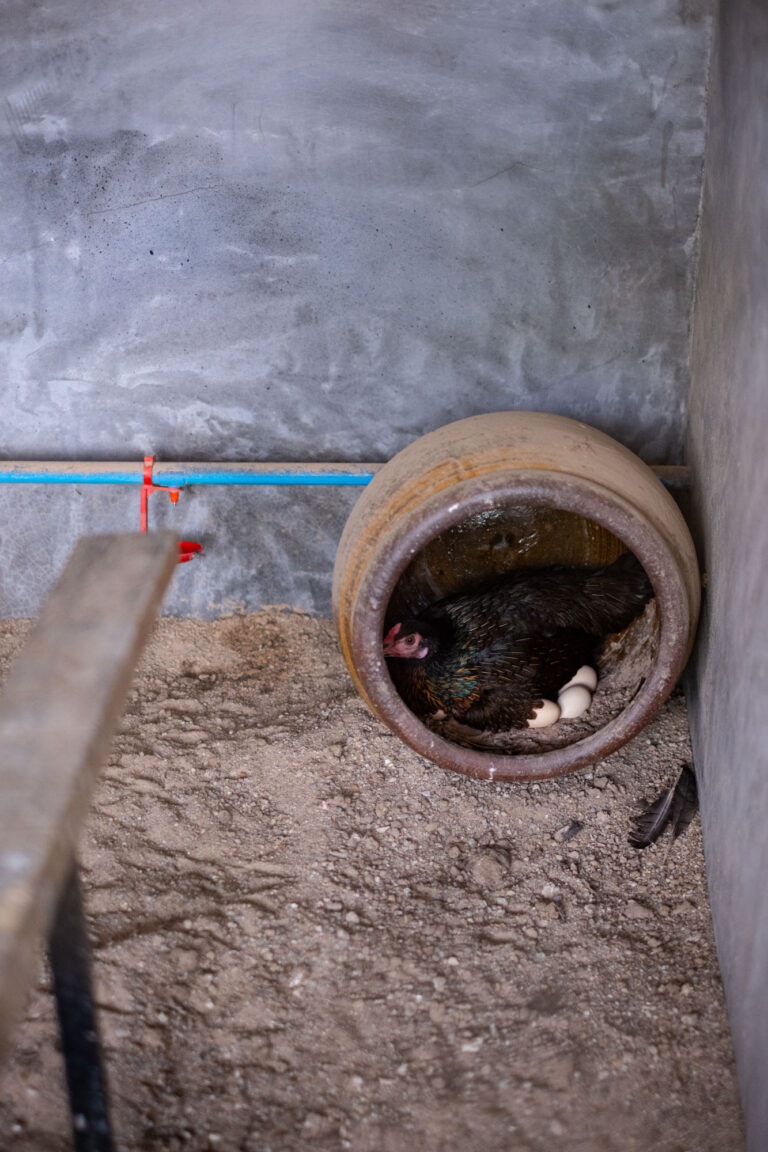
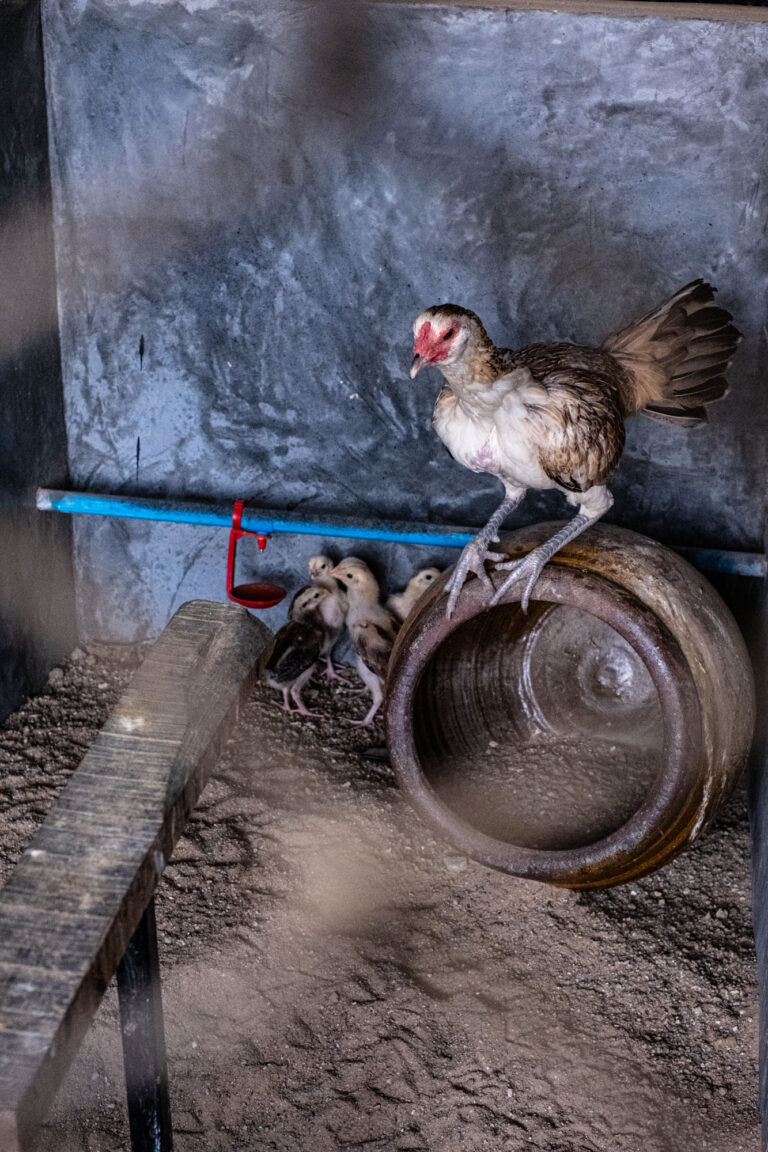
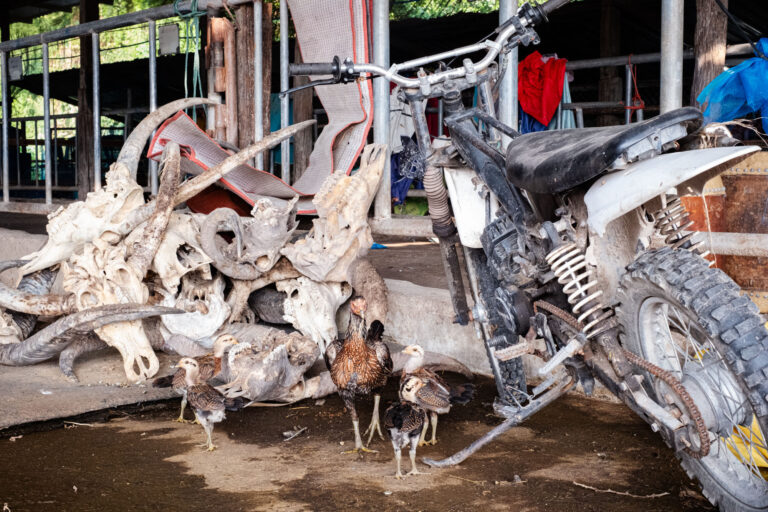
Later, I visited several farms in Chonburi Province. Contrary to the image of cruelty often associated with such contests, I saw no abuse. The birds seemed to fight out of instinct—they were born fighters who would continue until death unless stopped by humans. A defeated bird never returns to the ring; instead, it becomes a sparring partner for younger ones or is bred to pass on its lineage. Killing them is unthinkable; they are treated with quiet respect.
In sparring sessions, retired birds still fought fiercely, proving their strength and pride. There were no sacrificial opponents—each fight was between equals, governed by a silent sense of fairness and dignity.
I oppose forms of cockfighting that use knives or mutilation. Yet in the traditional Thai style, where their natural spurs are taped to prevent injury, I sensed a certain care for the birds. A match ends when one loses the will to fight, not life itself.
I came to respect these birds as I do Muay Thai fighters. In their struggle, I saw pure instinct—and a pride so fierce it became beautiful.